






Before any dental procedure, it's essential to inform your dentist about any medications you're taking regularly, particularly blood thinners (anticoagulants).
As Dr. Savion explains: "Anticoagulant therapy significantly impacts dental treatment planning. Patient safety is our top priority, while carefully considering each individual's unique medical profile."
Dr. Ariel Savion has been an active dentist since 2007 and holds a dual Master’s degree from Germany in Laser Sciences and Dental Implantology. He has clinical expertise in laser periodontal therapy, microscopic surgery, and dental implant procedures.
He serves as the Medical Director of the dental corporation Savion Medical Center Ltd. and is the founder and owner of the prestigious master_implant educational club, dedicated to training dentists in advanced fields of dentistry.
In addition, Dr. Savion is the only certified instructor in Israel on behalf of the World Clinical Laser Institute in the field of laser dentistry.
Dr. Savion is an international researcher and lecturer and serves as a Key Opinion Leader (KOL) for leading medical companies in Israel and worldwide, specializing in laser dentistry, periodontology, and dental implantology.
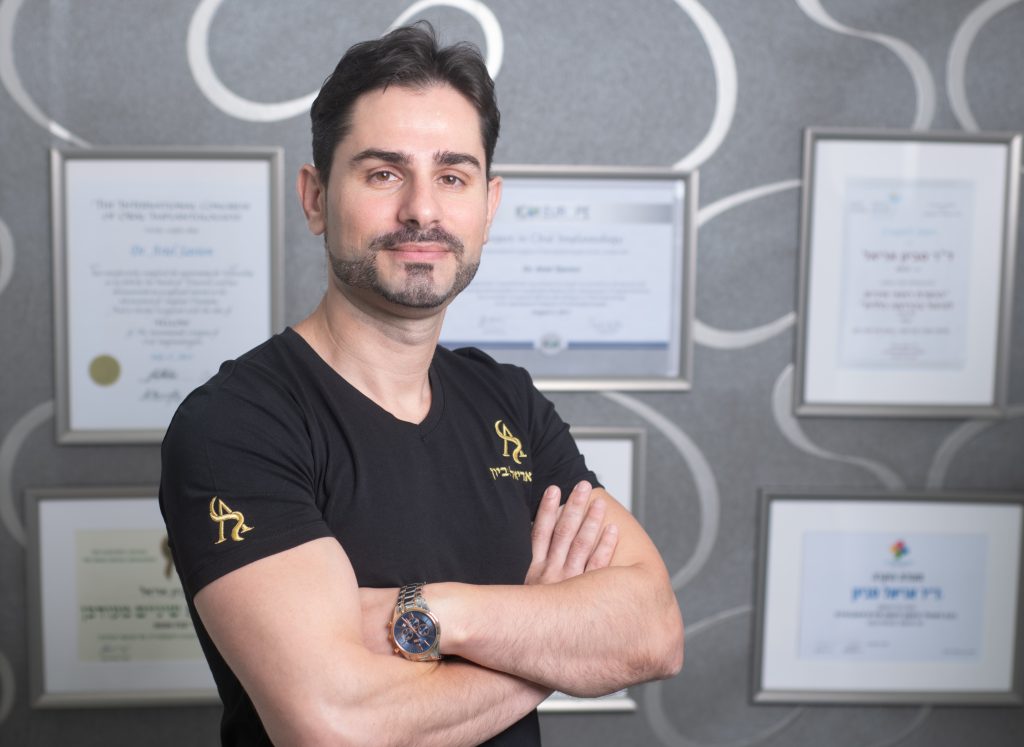
table of contents
Why Gum Health Matters and The Restorative Treatment Integrative Approach
Blood thinners, commonly known as anticoagulants, are widely prescribed medications designed to prevent blood clot formation. These clots can lead to life-threatening conditions including heart attacks, strokes, or pulmonary embolisms. These medications are typically prescribed to patients with cardiovascular disease history or as preventive therapy for individuals at elevated risk of thromboembolic events.
However, a well-documented side effect of anticoagulants is increased bleeding tendency. This necessitates special consideration from dental practitioners, as many procedures, including deep cleanings (root scaling), periodontal treatments, and dental implants, carry potential bleeding risks.
Blood Thinners, Why Treatment Coordination Matters?
Dentists must conduct thorough medical assessments before any procedure, especially for patients on anticoagulation therapy. During periodontal treatments or other invasive procedures, the combination of surgical intervention and anticoagulant activity can lead to excessive bleeding, complicating surgical control and delaying healing.
To ensure patient safety, dentists carefully plan treatments, often consulting the patient's physician, using advanced techniques specifically designed to minimize bleeding risk during procedures.
Common Anticoagulants and Their Mechanisms
Common Anticoagulants:
Warfarin (Coumadin)
Inhibits vitamin K activity, which is essential for producing clotting factors in the liver.
Aspirin and Clopidogrel (Plavix)
Prevent platelet aggregation, blocking blood clot formation at an early stage.
Rivaroxaban (Xarelto) and Apixaban (Eliquis)
Next-generation oral anticoagulants with unique mechanisms and precise duration of action, often allowing greater treatment flexibility.
Each medication has distinct mechanisms, durations of action, and degrees of blood thinning. These characteristics directly influence dental treatment planning and how dentists manage situations with bleeding concerns.
Essential Clotting Parameters:
Prothrombin Time (PT)
Purpose:
Evaluates blood clotting ability, focusing on the extrinsic pathway of the coagulation system.
Affected by:
Warfarin (Coumadin)
Normal range:
11-13 seconds, Prolonged values indicate slower clotting, increasing bleeding risk during dental procedures.
Partial Thromboplastin Time (PTT)
Purpose:
Tests coagulation function through the intrinsic pathway.
Affected by:
Aspirin and related medications
Normal range:
25-35 seconds, Abnormal values may indicate increased bleeding tendency.
International Normalized Ratio (INR)
Purpose:
Standardizes PT results across laboratories, assessing anticoagulation therapy effectiveness, particularly for Warfarin.
Normal values:
~1.0 for most patients
Therapeutic range:
2.5-3.5 for cardiac patients or high-risk individuals
Higher values suggest increased bleeding risk and require consideration in dental treatment planning.
Bleeding Time (BT)
Purpose:
Measures time required for blood to clot following a controlled injury.
Normal range:
1-6 minutes
Note:
Less commonly used today; focuses on platelet function, crucial for natural clotting
Platelet Count
Purpose:
Platelets are small particles essential for stopping bleeding and forming clots.
Normal range:
140,000-400,000 platelets per cubic millimeter
Low platelet counts can lead to prolonged bleeding, making this information vital for safe dental treatment planning.
Why This Matters to You
Understanding these parameters and monitoring your medical metrics helps ensure your dentist is aware of your health status and can appropriately tailor your dental care. Always inform your dentist about anticoagulant use and share current blood test results, your safety is paramount.
Dental Treatment for Patients on Anticoagulants
For patients taking blood thinners, two critical factors must be considered before dental treatment:
For standard dental procedures like scaling, orthodontics, or conservative treatments (non-invasive procedures excluding extractions or implants), medication discontinuation is typically unnecessary. However, your dentist must be fully informed about your medication and overall health status.
Coordination with Your Physician
When necessary, your dentist will consult with your physician (cardiologist or family doctor) to ensure safe treatment.
Never discontinue medication without explicit physician authorization! When temporary discontinuation is considered, decisions are made in direct consultation with your cardiologist or family physician, based on your medical condition and required treatment.
Surgical Dental Procedures
For surgical procedures like extractions or dental implants, more comprehensive evaluation is required. Management of anticoagulation therapy depends on several factors, including medication type and current blood test results.
Example: Patients taking Warfarin (Coumadin)
Management is based on INR values:
- INR below 3: Procedures can typically be performed without medication adjustment, using local hemostatic measures.
- Higher INR values: May require adjustments or additional solutions to prevent excessive bleeding.
Advanced Technology for Bleeding Reduction
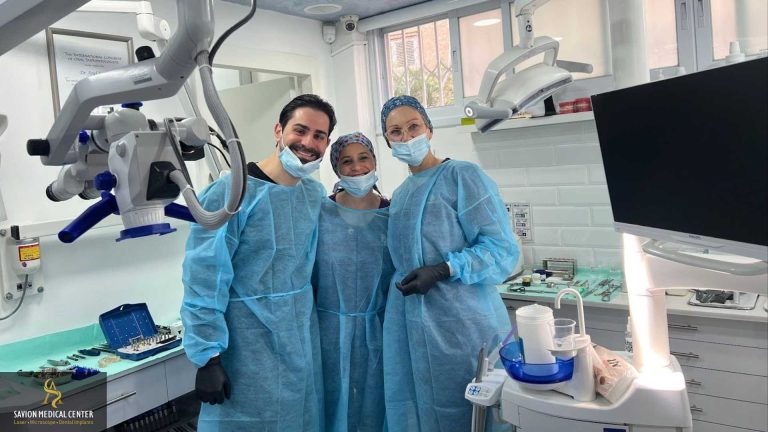
At Savion Medical Center, we emphasize treatment customization for patients on anticoagulation therapy.
"During patient intake, we conduct thorough medical interviews, current testing, and comprehensive health assessments," explains Dr. Savion. "Using cutting-edge technology and microsurgical techniques, we can perform dental implants even for patients with complex medical backgrounds, all while minimizing bleeding risk."
Dr. Savyon explains
Laser Treatment, The Safe, Advanced Solution
One of Dr. Savion's primary techniques is laser therapy, following comprehensive three-year advanced training in Germany.
Laser treatment advantages:
- Significantly reduces pain and bleeding during procedures
- Sterilizes the treatment area, reducing infection risk
- Nearly eliminates bleeding during dental implant or other surgical procedures
This technology enables safe treatment for patients on blood thinners while maintaining exceptionally high professional and safety standards.
Hemophilia and Other Clotting Disorders
Beyond anticoagulant effects, certain medical conditions require special attention during dental treatment. Hemophilia, a hereditary disease affecting blood clotting ability, places patients at high risk for significant bleeding, even without taking blood thinners.
Dental treatment for hemophilia patients requires extreme caution and often advance consultation with a hematologist.
"When necessary," Dr. Savion explains, "we work closely with the patient's physician to optimize the treatment approach."
Dr. Savyon explains
Other Conditions Affecting Clotting
Additional conditions like thrombocytopenia (platelet deficiency) also increase bleeding risk during dental procedures. In such cases, comprehensive testing is performed to assess overall health and plan treatment considering potential risks.
Systemic Diseases and Their Impact on Dental Care
Beyond clotting and anticoagulation therapy, chronic systemic diseases represent a central factor in complex dental treatments.
Systemic diseases include:
- Diabetes
- Cardiovascular
- disease
- Osteoporosis
- Hypertension
How Systemic Diseases Affect Dental Treatment
These conditions can:
- Impact the body's natural healing process
- Increase post-treatment infection risk
Therefore, dentists must be aware of medical conditions, regular medications, and risk factors to develop safe treatment plans.
Treatment Adaptation Examples
- Hypertension patients – Blood pressure monitoring before and sometimes during treatment.
- Diabetic patients – Blood sugar level balance is essential before any invasive procedure like extractions or implants. Imbalance can slow healing and increase infection risk.
- Cardiac patients – In certain cases, prophylactic antibiotics may be recommended before treatments like root scaling or implant placement to prevent complications.
"Complete medical disclosure and medication reporting is critical," Dr. Savion emphasizes. "This adaptation not only improves dental outcomes but also reduces risks and complications."
Dr. Savyon explains
Advanced Technology for Safety and Precision
At Savion Medical Center, we emphasize advanced treatment approaches combined with innovative technology to safely serve patients with systemic diseases or on anticoagulation therapy.
Our Technology Advantages
-
Dental Microscope:
- Provides 40x magnification for precise treatment area identification.
- Minimizes unnecessary tissue contact
- Reduces bleeding and prevents damage to small blood vessels -
Laser Treatments:
- Significantly reduces bleeding
- Sterilizes treatment areas
- Minimizes post-treatment complications
- Enables more precise control during implant and surgical procedures -
Advanced Local Hemostatic Agents:
- Materials that promote local clotting in treated areas
- In select cases, we use Platelet Rich Fibrin (PRF), which enhances the body's natural healing mechanisms
Conclusion
Dental treatment for patients with systemic diseases or clotting disorders requires special attention and precise planning. Through current technology, advanced methodologies, and comprehensive patient assessment, we ensure maximum safety.
We encourage you to share every medical detail with your dentist, from the comprehensive background work at Savion Medical Center to personalized treatment adaptation, every patient receives the full attention they deserve.
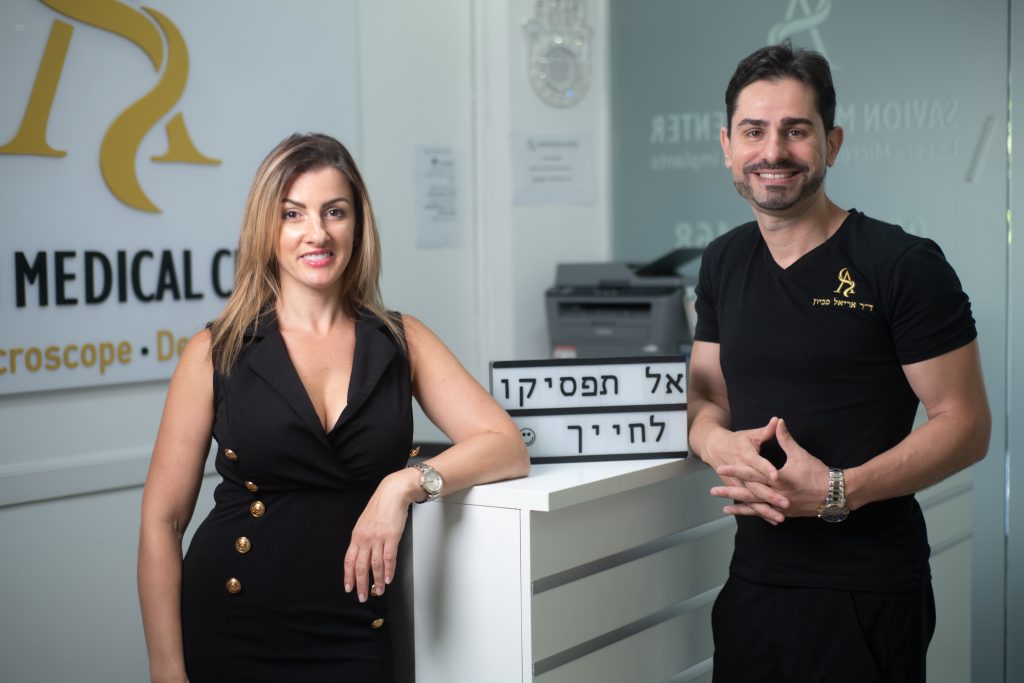
As Dr. Savion concludes: "Our clinic enables every individual, regardless of medical condition, to receive professional, tailored, and reliable dental care that ensures optimal results while safeguarding health and safety."
Dr. Savyon explains