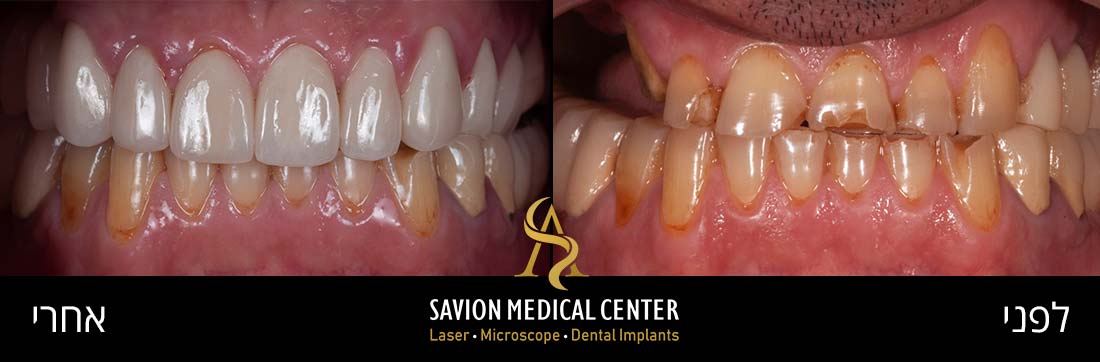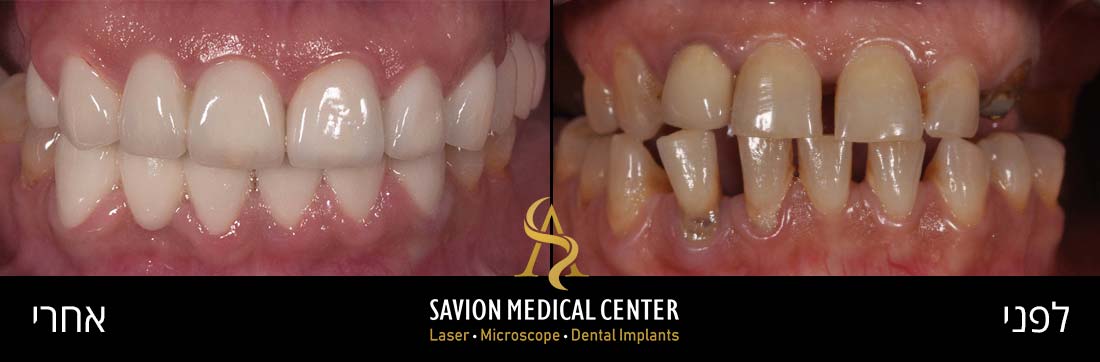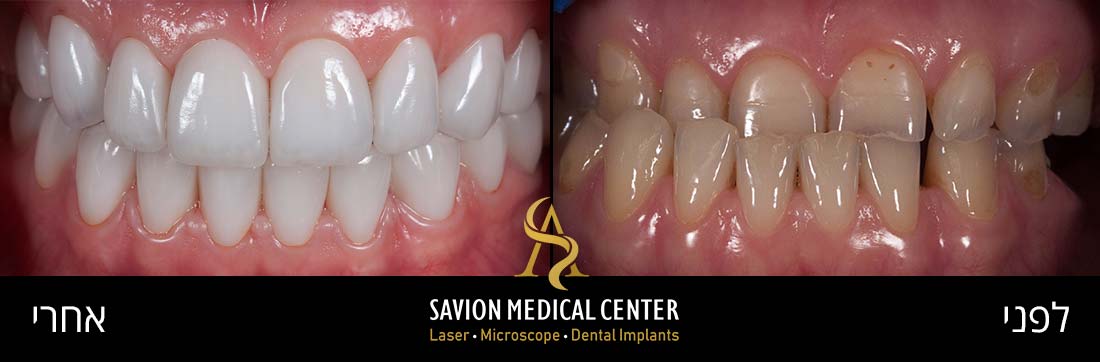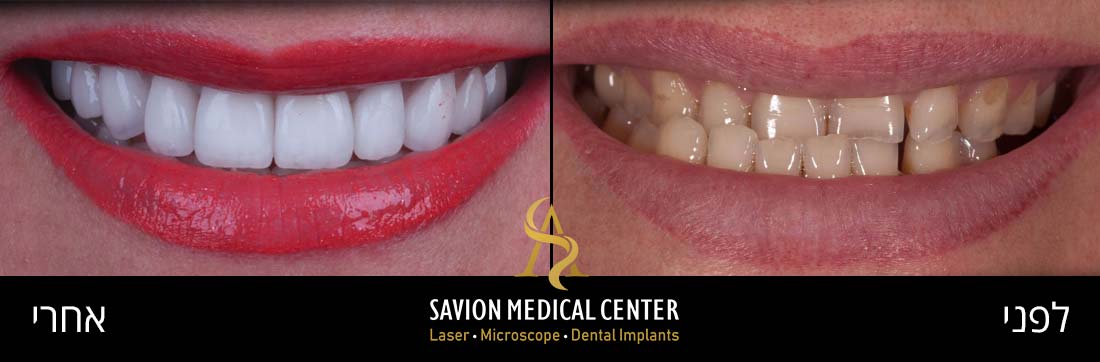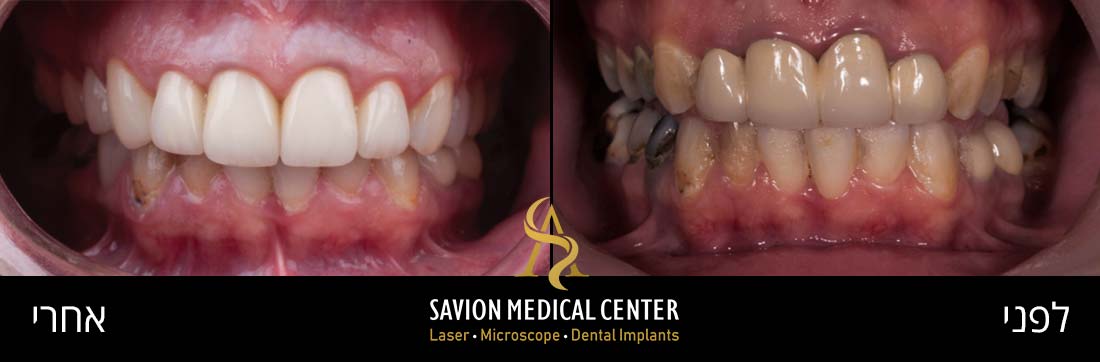





Malocclusion, commonly known as crooked teeth, refers to a condition in which the teeth are not optimally aligned along the dental arch. It can manifest as crowding, excessive spacing, teeth that erupt at incorrect angles, protruding front teeth, or deviation from the natural bite line.
While it may appear to be a purely cosmetic concern, crooked teeth can in fact affect function and, over time, have meaningful medical implications, as detailed throughout this article.
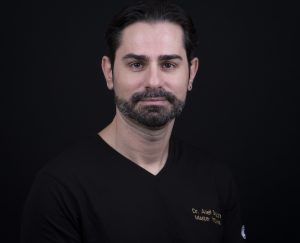
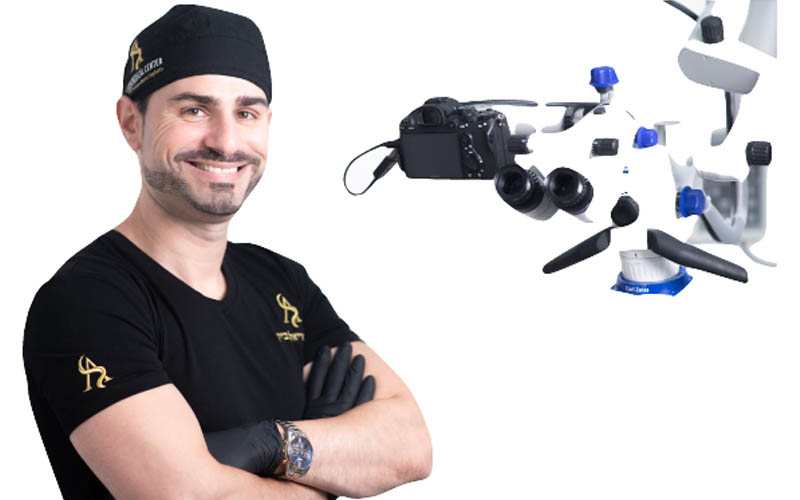
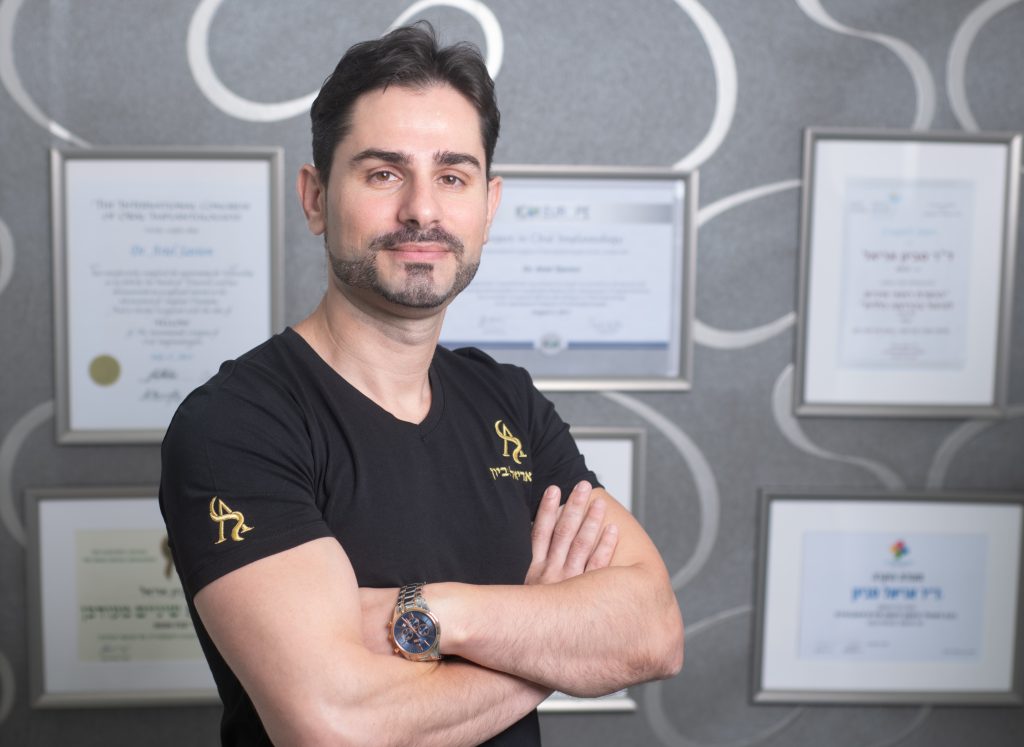
Dr. Ariel Savion has been an active dentist since 2007 and holds a dual Master’s degree from Germany in Laser Sciences and Dental Implantology. He has clinical expertise in laser periodontal therapy, microscopic surgery, and dental implant procedures.
He serves as the Medical Director of the dental corporation Savion Medical Center Ltd. and is the founder and owner of the prestigious master_implant educational club, dedicated to training dentists in advanced fields of dentistry.
In addition, Dr. Savion is the only certified instructor in Israel on behalf of the World Clinical Laser Institute in the field of laser dentistry.
Dr. Savion is an international researcher and lecturer and serves as a Key Opinion Leader (KOL) for leading medical companies in Israel and worldwide, specializing in laser dentistry, periodontology, and dental implantology.
What Causes Crooked Teeth?
Several factors contribute to the development of malocclusion:
Genetics – Jaw size and facial structure are largely determined by heredity. When the jaw is too small relative to the size of the teeth, the result is crowding or misalignment.
Childhood habits – Prolonged thumb-sucking, extended pacifier use, or long-term bottle feeding can alter the structure of the palate and jaw, leading to misalignment.
Early loss of baby teeth – Losing a primary tooth prematurely, due to trauma or extraction from severe decay, can cause neighboring teeth to drift into the gap, resulting in crowding or improper positioning.
Age-related shifting – As we age, teeth naturally tend to shift forward, particularly in the lower jaw. This well-documented phenomenon can create crowding that wasn't present earlier in life.
Gum disease – Untreated periodontal disease can destroy the supporting tissues around teeth, leading to shifting and bite changes.
Are Crooked Teeth a Health Risk?
Crooked teeth are not life-threatening, but they can lead to significant health problems if left untreated.
Research has shown that gum disease, which crooked teeth predispose patients to, can have far reaching effects on overall health, including links to cardiovascular disease and diabetes.
Uneven pressure on the jaw joint caused by a misaligned bite can also result in joint pain and recurring headaches.
"Crooked or crowded teeth make proper oral hygiene significantly more difficult. Overlapping teeth create areas that are hard to reach with a toothbrush or floss, leading to plaque and tartar buildup, which in turn raises the risk of cavities, gingivitis, and chronic gum disease." Dr. Savion
Dr. Ariel Savion:
Treatment Approaches at Savion Medical Center
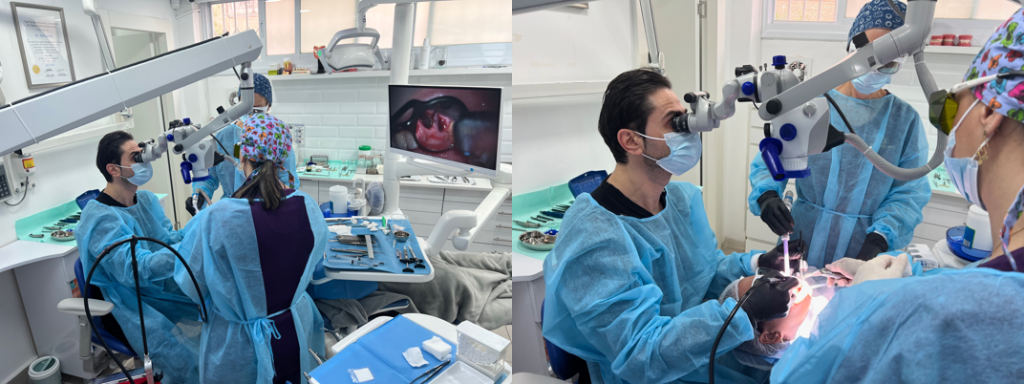
Savion Medical Center offers the treatment methods best suited to each individual patient's needs.
- Traditional braces (fixed orthodontics) – The longest established method of teeth straightening, suitable for a wide range of cases. Metal brackets are bonded to the teeth and connected by a wire that applies continuous, gradual pressure to move teeth into position. While effective, this approach is less precise and personalized than modern alternatives.
- Clear aligner therapy (removable orthodontics) – This modern method uses a series of custom made, nearly invisible aligners (such as Invisalign) designed using a digital 3D scan of the patient's mouth. Each aligner is worn for approximately two weeks before being replaced by the next in the series, producing gradual, optimally calibrated tooth movement. The aligners are virtually invisible and can be removed easily for eating and oral hygiene. This method is typically faster and more precise than traditional braces, and is preferred by the majority of our patients.
- Laser assisted orthodontics – Savion Medical Center uniquely integrates laser therapy with orthodontic treatment where appropriate. Laser technology can accelerate treatment progress, reduce discomfort, and treat gum tissue as needed, resulting in faster outcomes and a more comfortable experience.
The Treatment Process
- Personal consultation and diagnosis – Treatment begins with a thorough examination of the mouth and teeth. Using a 3D digital scan, Dr. Savion precisely maps tooth positions and bite structure to diagnose existing issues and design the most appropriate treatment plan.
- Computer based treatment planning – Once a treatment approach is selected, specialized dental software generates a step by step plan, mapping the optimal movement path for each tooth. For clear aligner treatment, custom aligners are then digitally designed and manufactured.
- Progress check ups – Throughout treatment, patients attend regular appointments so Dr. Savion can monitor progress. Laser therapy may be incorporated as needed to accelerate tooth movement and support soft tissue health.
- Retention – Once alignment is complete, patients receive a retainer to maintain the results. The retainer is worn at night, requiring no daytime effort.
Frequently Asked Questions
Yes, clear aligners are effective for a wide age range, from teenagers to older adults. For adolescents, it's important to confirm that all permanent teeth have fully erupted. Optimal results depend on consistent wear: aligners should be kept in for at least 22 hours per day, removed only for eating and oral hygiene. It's worth noting that in certain complex bite cases, clear aligners may not be the most suitable option.
Results can last a lifetime, provided patients commit to wearing a retainer. After active treatment ends, teeth naturally tend to drift back toward their original positions. For this reason, a removable retainer (a clear tray worn at night) is recommended for the long term to preserve alignment.