





- Dental Implant Types and Treatment Choices
Common Causes of Tooth Staining:
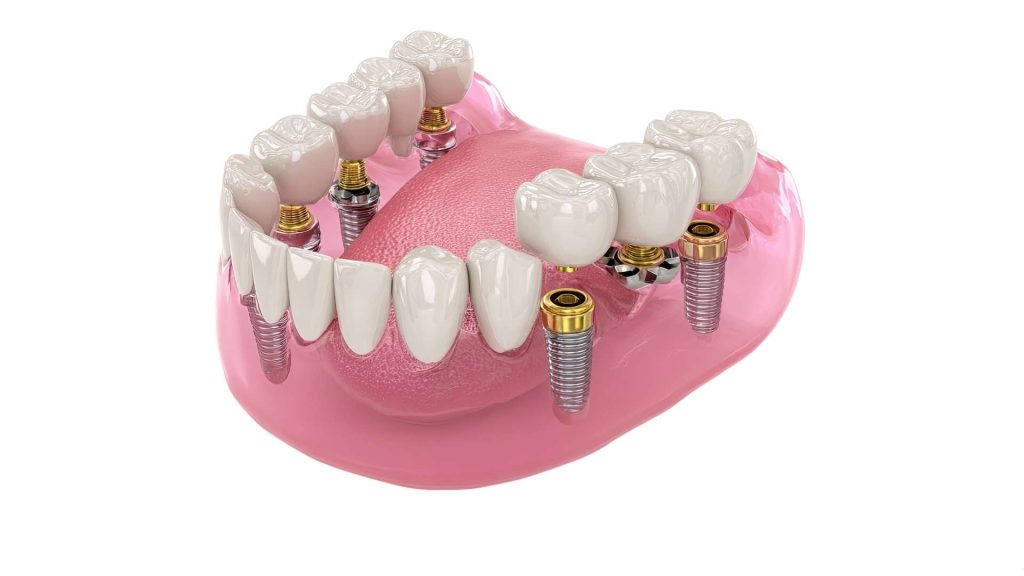
- Dental implants are titanium screws or cylinders that serve as artificial tooth roots, providing a permanent foundation for replacing teeth.
- Bicon implants feature a tapered design with plateau geometry, maximizing surface area and ensuring superior stability.
- Short implants are ideal for patients with limited bone depth (less than 10mm), eliminating the need for extensive bone grafting procedures.
- Savion Medical Center specializes in advanced implant dentistry, offering personalized solutions tailored to each patient's unique needs.
Missing teeth create difficulty chewing, embarrassment when smiling, pain, and diminished self-confidence. Today's dental implants offer a comprehensive solution that closely mimics natural teeth in both appearance and function.
The dental implant market continues to evolve, with over fifty implant systems available in Israel alone. While differences exist primarily in thread design, surface coatings, and shapes, any system approved by the Ministry of Health meets rigorous standards, meaning there's no inherent superiority of one approved system over another.
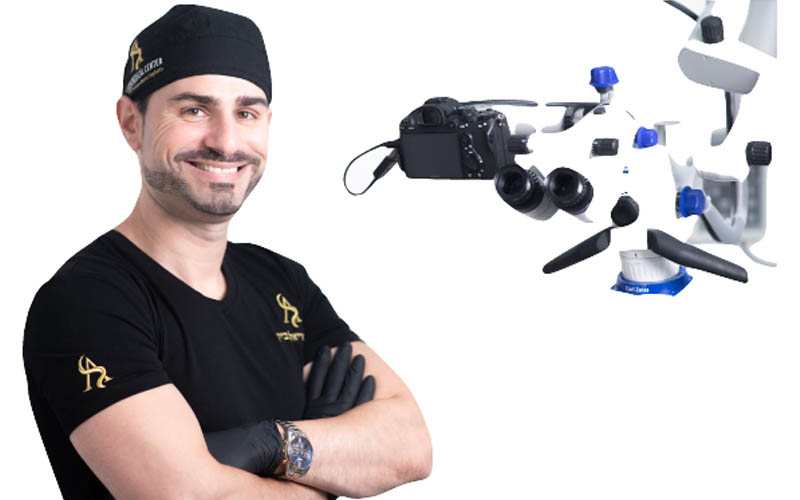
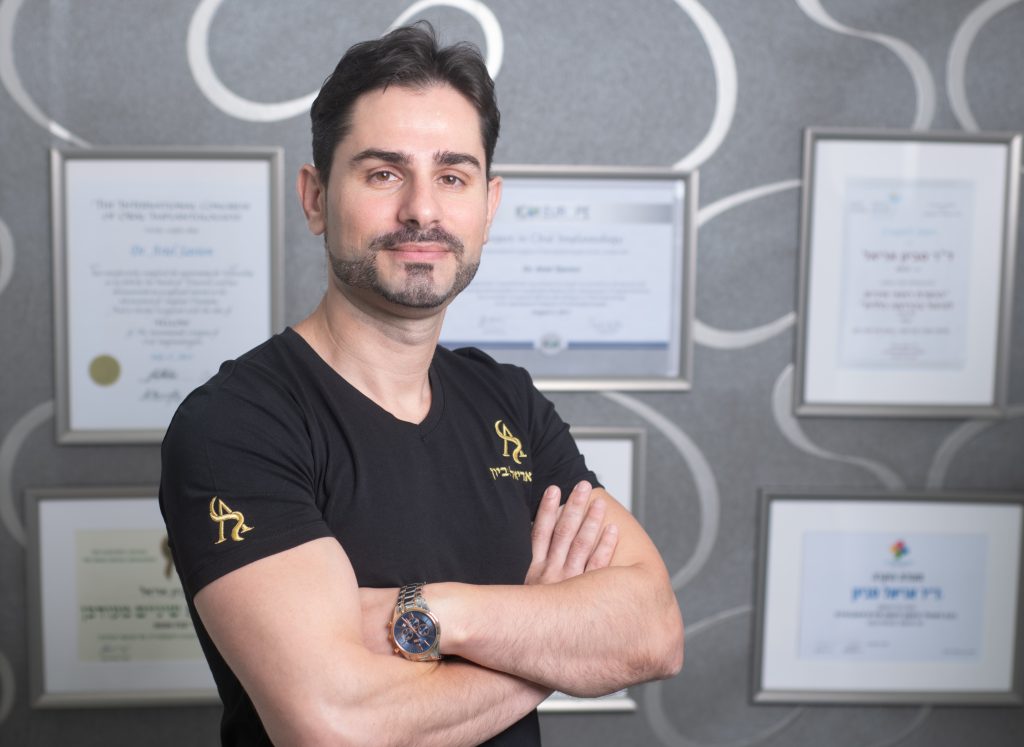
Dr. Ariel Savion has been an active dentist since 2007 and holds a dual Master’s degree from Germany in Laser Sciences and Dental Implantology. He has clinical expertise in laser periodontal therapy, microscopic surgery, and dental implant procedures.
He serves as the Medical Director of the dental corporation Savion Medical Center Ltd. and is the founder and owner of the prestigious master_implant educational club, dedicated to training dentists in advanced fields of dentistry.
In addition, Dr. Savion is the only certified instructor in Israel on behalf of the World Clinical Laser Institute in the field of laser dentistry.
Dr. Savion is an international researcher and lecturer and serves as a Key Opinion Leader (KOL) for leading medical companies in Israel and worldwide, specializing in laser dentistry, periodontology, and dental implantology.
Dental Implant Composition
Modern implants are manufactured from titanium that undergoes specialized chemical treatment to enhance bone integration, a process called osseointegration. One of the major innovations is the roughened surface texture of contemporary implants, which promotes better bone contact and accelerates the healing process.
The Dental Implant Procedure
- Pre Surgical Phase
- The patient undergoes a CT scan (three-dimensional) of the implant site. An intraoral scan is performed using a digital scanner. These technologies prevent damage to nerves and blood vessels of the lower jaw and facial structures, while reducing surgical time and stress for both doctor and patient.
- After evaluating existing bone thickness through CT imaging, the surgical approach is determined (with or without flap elevation). Flapless surgery with guided implant placement is possible in suitable cases.
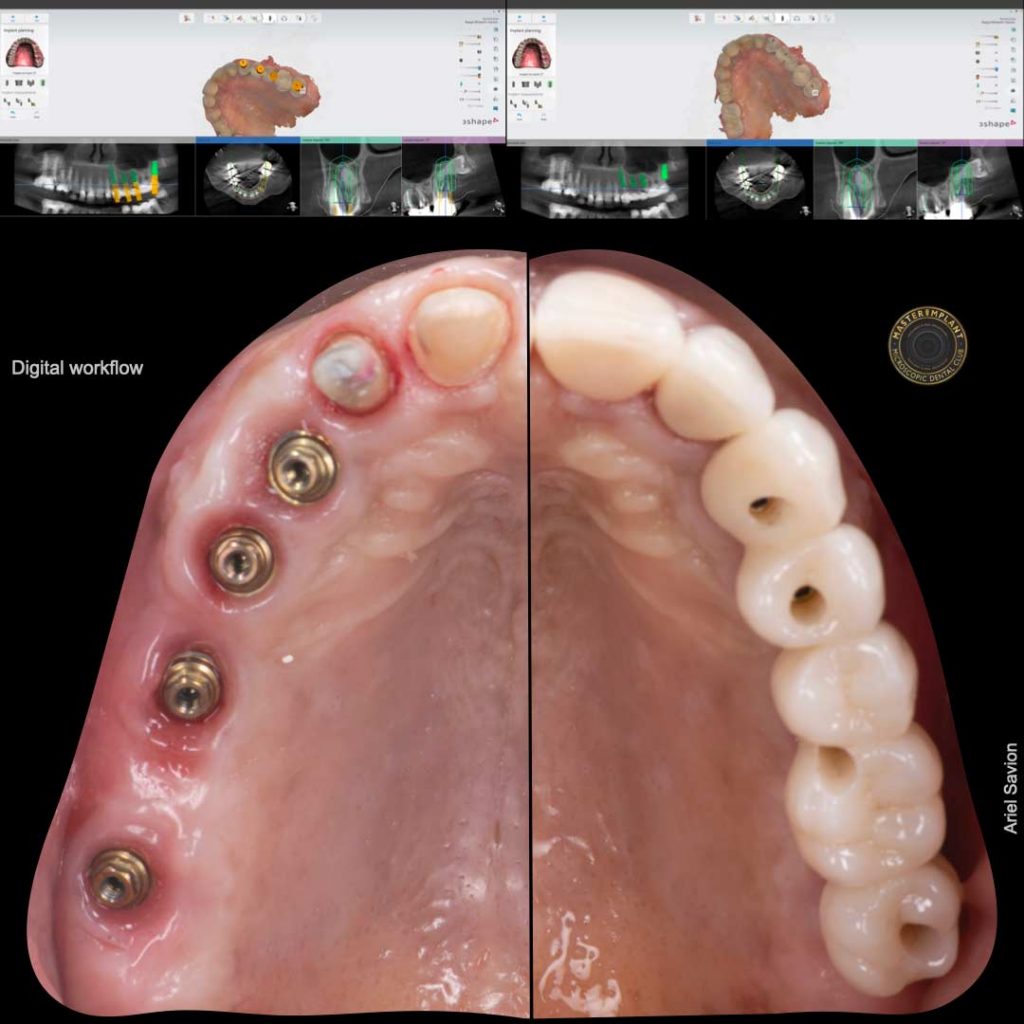
- Using Exocad design software, precise alignment between the CT scan and tissue scan is achieved to create a computer-guided surgical guide. The implant is pre-planned digitally, including company, type, diameter, length, and precise positioning.
- After designing the surgical guide, the file is sent directly to a 3D printer with the click of a button.
- Surgical Phase
- The patient undergoes a CT scan (three-dimensional) of the designated implant site. At the clinic, an intraoral scan is performed using a digital scanner, replacing traditional impressions. The use of CT imaging and surgical guides is designed to prevent damage to nerves and blood vessels of the lower jaw as well as facial structures and jawbone, while simultaneously reducing surgical time and stress for both doctor and patient.
- After evaluating the existing bone thickness in the jaw (CT scan required), the surgical approach can be determined (with or without flap elevation). In suitable cases, flapless implant placement, without incisions or sutures, can be performed using a guided surgical template.
- Using Exocad design software, precise alignment is achieved between the CT scan and tissue scan to create a computer-guided surgical guide. The dental implant is pre-planned digitally, including company name, implant type, diameter, length, and exact positioning.
- After designing the surgical guide, with the click of a button, the designed file is sent directly to the 3D printer for fabrication.
Types of Dental Implants
| Implant Type | Advantages | Considerations |
| Endosteal Implants | High success rates, durability, suitable for most patients | Require adequate bone volume. may need two-stage surgical procedure for osseointegration |
| Subperiosteal Implants | Less invasive surgery, can support implants with limited bone | Less stable than endosteal implants. higher risk of complications |
| All-on-4/All-on-6 | Reduced treatment time, cost-effective, can avoid bone grafting in some cases | Success depends on careful treatment planning. prosthesis may require periodic adjustments |
| Zygomatic Implants | Avoid extensive bone grafting, provide stability for dentures in severe bone loss cases | Require specialized training. complex surgical procedure |
| Immediate Loading | Shortened treatment time, preserve bone and gum tissue, improved aesthetics | Require careful case selection and adequate primary stability |
| Mini Implants | Less invasive, faster healing, lower cost | Higher risk of complications. may not be suitable for long-term solutions |
| Platform-Switched Implants | Enhanced stability and support. flat platform allows more secure attachment of prosthesis, reducing movement or loosening over time | Particularly effective in cases with limited space or insufficient bone support |
Implant Standards
Israel uses various implant systems, all meeting strict regulatory standards:
Meet Israeli standards with often additional American or European certifications
Bear the most stringent American FDA standards Usually also carry Israeli Ministry of Health approval
Hold European CE certification Typically also approved by Israeli authorities
Selecting the Right Implant
Choosing an implant system isn't based on personal preference but rather on individual anatomical factors. The implant must match the oral structure, jaw shape, and available bone volume.
- Patient age
- Medical condition
- Number of implants needed
- Type of restoration required
- Implant distribution pattern in the jaw
It's crucial to remember that dental implantation is complex with potential risks including nerve damage, implant rejection, and infection. While most procedures succeed without complications, proper planning and execution are essential.
Computer Guided Implant Surgery
Computer-guided (or computer-navigated) implant surgery utilizes advanced digital technology and specialized software to plan and execute precise implant placement. This approach integrates Computer-Aided Design (CAD) and Computer-Aided Manufacturing (CAM) techniques.
The procedure typically includes:
- Digital Imaging – Advanced imaging technologies like CBCT scans or intraoral scanners capture detailed 3D images of the patient's oral structures, providing comprehensive views of bone structure, adjacent teeth, and soft tissues.
- Virtual Treatment Planning – Digital images are imported into specialized software allowing the dentist to virtually plan the implant position, analyzing anatomical structures and determining optimal placement, angle, and depth while considering bone density, nerve proximity, and aesthetic factors.
- Surgical Guide Creation – Based on the virtual treatment plan, a custom 3D-printed silicone surgical guide is fabricated, personalized to the patient's unique anatomy.
- Guided Implant Placement – During surgery, the surgical guide is positioned on the patient's teeth, directing the dentist to the exact predetermined implant location.
Advances in Implant
Three major technological developments have revolutionized implant dentistry:
Plays a crucial role in implant planning using advanced technologies like CBCT scans and intraoral scanners to create highly detailed 3D images, providing comprehensive views of bone structure, teeth, and soft tissues for accurate assessment and precise measurements.
Computer-Guided Placement imaging and computer software to plan exact implant positioning. The process involves importing patient images into dedicated software for virtual planning, analyzing anatomical structures, identifying optimal implant location, and creating a surgical guide to ensure precise placement during actual surgery.
Has revolutionized the manufacturing of dental implant components. With 3D printing, customized implant components, abutments, and temporary restorations can be produced with exceptional precision and efficiency, creating highly accurate patient-specific components that improve fit, function, and aesthetics while offering faster delivery times and greater flexibility.
Dental Implants and Natural Tooth Preservation
Despite advances in implant technology, no implant can fully replace a natural tooth. Consider these factors before choosing implantation:
- Natural teeth have a unique mechanism (the periodontal ligament) that acts as a "shock absorber" during chewing, cushioning chewing forces. Implants lack this mechanism and can fail under excessive loading.
- Patients with advanced gum disease show higher implant failure rates due to gram-negative bacteria and host cell factors. Tooth extraction due to gum disease followed by implantation doesn't provide a long-term solution if the underlying condition persists.
- Patients with poor oral hygiene face higher implant failure risks due to the absence of the periodontal ligament, leading to peri implantitis and potential implant failure with accelerated bone loss.
- High implant costs can lead to overtreatment when multiple teeth are missing, sometimes involving unnecessary extractions due to lack of awareness about natural tooth preservation.
- Implant procedures can be lengthy and complex. Poor planning, inadequate CT scanning, or inexperienced execution can result in anatomical structure damage.
- Implants with contaminated or non-sterile surfaces, or those not meeting Ministry of Health standards, risk failure due to poor osseointegration.
Immediate and Delayed Loading
Despite aggressive marketing promising "everything in one day" with attractive payment plans and discounts, patients should understand the advantages and disadvantages:
- Research indicates immediate loading on the day of implant placement may increase the risk of implant failure, as forces are applied before osseointegration occurs.
- Immediate placement after tooth extraction with bone loss or extensive inflammation may cause greater bone destruction and implant failure, prolonging treatment and increasing costs.
- Poor bone quality or insufficient bone volume precludes immediate loading, requiring bone grafting and delayed implantation.
- Patients with bruxism (teeth grinding) are not suitable candidates for immediate loading, as grinding forces can cause implant movement and failure.
- For posterior teeth, immediate loading is generally not recommended due to strong chewing forces.
- For anterior teeth, immediate loading may be appropriate as aesthetic concerns are paramount and chewing forces are relatively weak.
All-on-4/All-on-6 Implant Systems
All-on-4 System Based on installing four angled implants supporting a screwed prosthesis with 14 teeth. This relatively affordable method appeals to patients seeking "all-inclusive" treatment, though they may not fully understand its limitations.
The system suits cases with significant bone loss where extensive bone grafting isn't feasible. For optimal success, four implants are inserted at extreme 45-degree angles, topped with a 14-tooth prosthesis.
The primary risk: if one implant fails, the entire restoration fails, requiring new implant placement and a new screw-retained prosthesis. Additionally, the angled implant positioning makes the system unsuitable for cases involving heavy or strong forces.
All-on-6 System Involves placing six angled implants, bypassing anatomical structures like sinuses, and installing 10-12 ceramic crowns on the implants. If one implant fails, treatment can continue with five implants.
Advantages of Dental Implants
Dental implants offer several advantages over other tooth replacement options:
- Enhanced Functionality - Implants function and feel like natural teeth, providing a stable, secure foundation for biting and chewing, allowing patients to enjoy their favorite foods without restrictions. Unlike removable dentures or bridges, implants don't slip or move, providing improved comfort and confidence during speech or eating.
- Long-Term Solution - Dental implants are a durable solution for missing teeth. With proper care and maintenance, implants can last a lifetime. Other restoration options like dentures and bridges may require replacement or adjustment over time.
- Jaw Bone Preservation - When a tooth is lost, the underlying jawbone can deteriorate over time. Dental implants stimulate the jawbone through osseointegration, promoting bone growth and preventing bone loss, helping maintain the natural shape of the jaw and facial structure, oral health, and aesthetics.
- Improved Aesthetics - Dental implants provide a natural, aesthetic appearance. The implant crown is custom designed to match the color, shape, and size of surrounding teeth, creating a natural smile. Implants also eliminate the need for removable dentures or visible clasps, improving overall facial aesthetics.
- Preservation of Adjacent Teeth - Unlike traditional dental bridges that require grinding down adjacent teeth for support, dental implants don't rely on neighboring teeth. This means the integrity and health of adjacent teeth are preserved as they remain untouched and unaffected by the implant restoration.
- Easy Maintenance - Dental implants are easy to maintain, similar to natural teeth. Regular brushing, flossing, and routine dental check-ups are all that's required to keep implants clean and healthy. No special cleaning solutions or adhesives are needed, as with dentures.

Contraindications for Dental Implants
- Patients with malignancies undergoing chemotherapy
- Patients with uncontrolled diabetes causing delayed healing
- Users of bisphosphonate medications for osteoporosis treatment (like Fosamax), which can cause severe side effects including jaw necrosis
- Patients with poor oral hygiene awareness and general neglect
- Patients smoking more than one pack of cigarettes daily face higher implant failure rates
Why Choose Savion Medical Center
Dr. Ariel Savion, a dentist since 2007, holds dual M.Sc. degrees (Germany) specializing in laser sciences and implantology. He holds Mastership from the World Clinical Laser Institute and serves as medical director of Savion Medical Center Ltd.
He founded the Master Implant study club promoting laser dental implantology and is a board member of the Microscopic Dental Club promoting microscopy in Israel and worldwide. As a researcher and thought leader in dental lasers and implantology, he consults international dental companies and lectures extensively at conferences and courses globally.
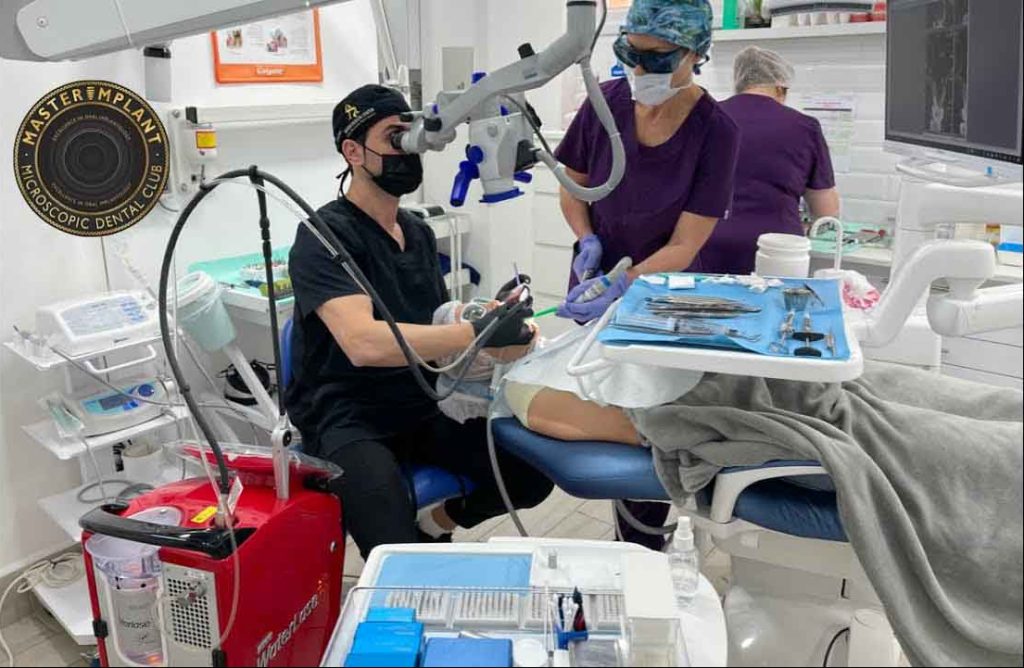
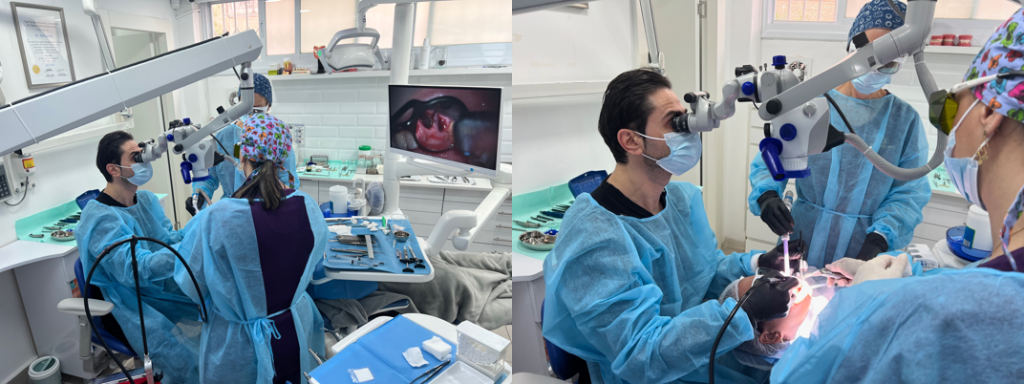
At Savion Medical Center, dental implants are performed at the most professional and advanced level, combining dental microscopy, various laser wavelengths, CBCT imaging, computer-guided surgical guides with pre-planning, and emphasis on final aesthetic outcomes.
Using a dental microscope enables treatment with a micro-surgical approach that drastically reduces swelling, pain, and discomfort post-surgery. Microscopic examination diagnoses the quality and thickness of gums around future dental implants to minimize or prevent implant disease or failure, providing detailed oral condition diagnosis and improving overall treatment outcomes.
Dr. Savion performs computer-guided dental implants with meticulous planning, allowing precise implant placement and distribution in the jaw. This advanced approach ensures optimal implant positioning, improving success rates and restoration stability over time.
Computer-guided implant procedures minimize the risk of errors and surgical complications. Using digital planning and guided surgical templates allows Dr. Savion to ensure the highest safety level during implantation. Computer-guided surgery streamlines and shortens the treatment process, reducing required appointments and saving patients time and effort.
The implants Dr. Savion uses are premium quality from major international companies, ensuring each implant meets required standards.
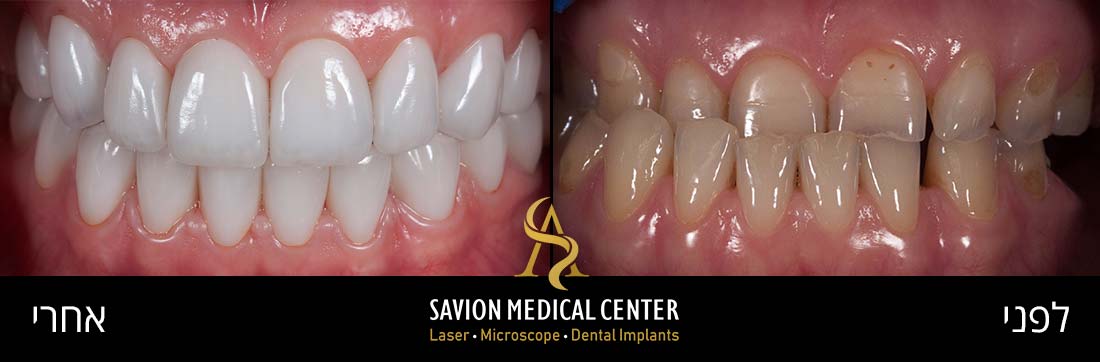
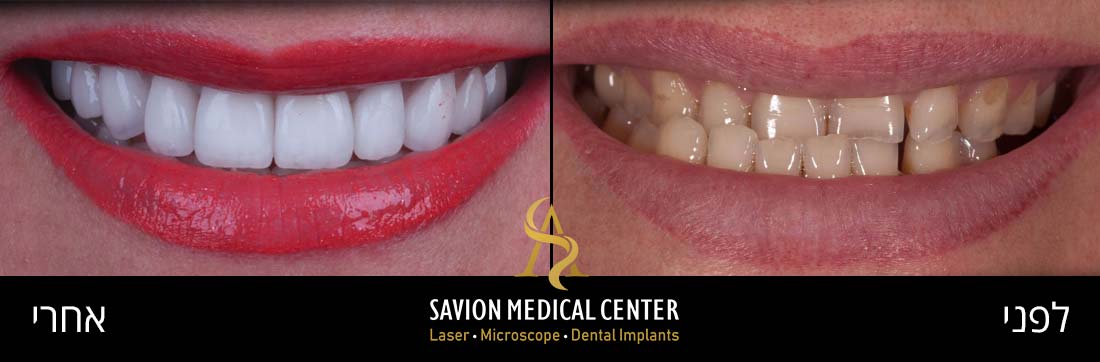
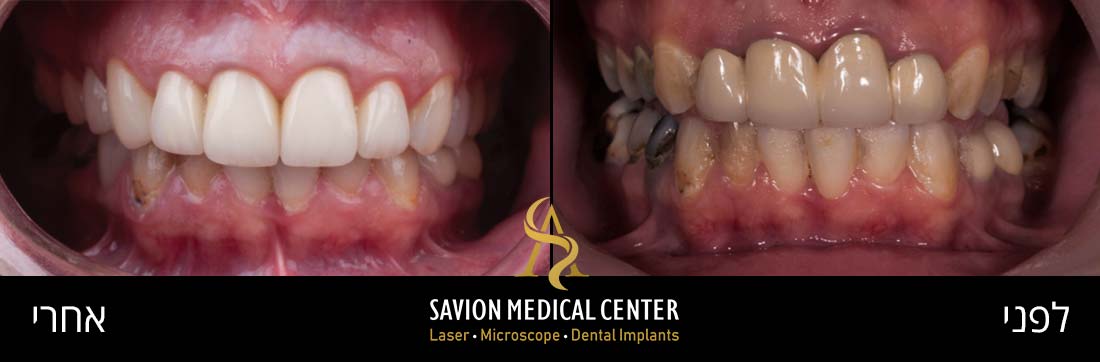
Dental implants at Dr. Savion Medical Center are designed to deliver natural-looking results. The precise positioning and custom restorations create an aesthetic smile that blends seamlessly with the patient's natural teeth.
Frequently Asked Questions
What is a dental implant?
A dental implant is made of titanium in a screw or cylindrical shape. It serves as a tooth root replacement, inserted into the jaw after drilling with various diameter drills and integrated by the bone through osseointegration. After waiting 3-6 months, a titanium abutment is screwed onto the implant head, topped with a ceramic crown.
How long does the implant process take?
The implant process can take several months to a year, depending on the patient's condition and bone restoration needs. The process includes the stage of implant integration in the jawbone, abutment placement, and final crown installation.
How long can dental implants last?
A dental implant receives a seven-year warranty for restoration and a twenty-year warranty for the implant itself. These figures certainly attest to the quality and stability of implants, dentists wouldn't stand behind such an impressive guarantee otherwise.
In most cases, the implant will last well beyond twenty years, but only if the implantation was performed correctly and the patient maintains proper oral hygiene.
Are dental implants suitable for everyone?
No. Dental implantation suits most patients, but certain cases involving jaw structure or general health conditions may limit the ability to place implants.
What are the risks of dental implantation?
Like any surgical procedure, risks include infections, bleeding, nerve damage, or implant rejection. Choosing an experienced dentist reduces these risks.
Can implants be placed even without sufficient bone?
Yes, in cases of bone deficiency, techniques like bone grafting or using specially short implants enable successful implantation.
Do implants look natural?
Absolutely! Today's dental implants are manufactured from quality materials using advanced methods that provide a natural, aesthetic appearance, making it difficult to distinguish between an implant and a natural tooth.
How do I choose a dental implant clinic?
Look for a clinic with dentists who have special training and experience in dental implantology. Check the certifications and training certificates they hold. Research the clinic's reputation, read online reviews and testimonials from previous patients. Consider the clinic's technology and facilities and Range of services. Diagnosis, treatment planning, implant placement, and restoration. This ensures all aspects of the implant journey can be addressed in one location.