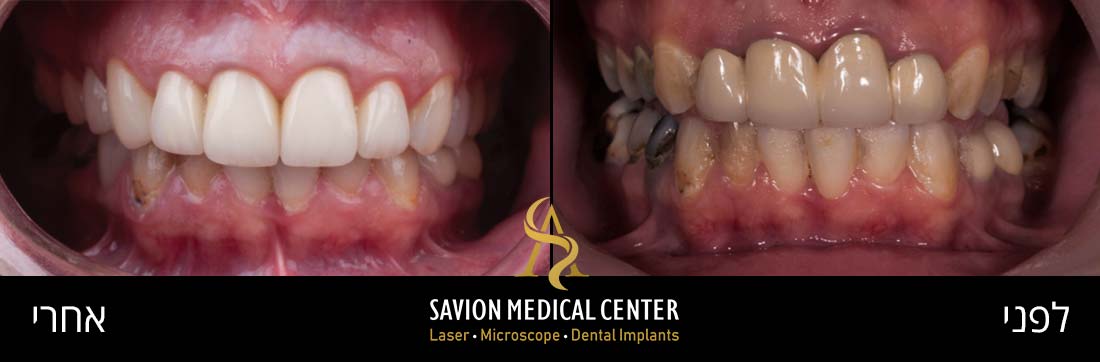








A Brief Overview of Mild Gum Pain
Gum pain is among the most common complaints in the general population, and it can arise from a variety of causes. Mild discomfort often stems from minor irritation, food particles trapped between the teeth, a slight gum infection, or localized inflammation.
When the pain is mild, it may well be a temporary, self resolving condition that does not necessarily require a dental visit.
The pain may present as a low-grade, persistent ache or as an occasional sharp pang that resolves on its own with thorough and consistent oral hygiene. It is important to distinguish mild gum pain from more severe, persistent discomfort, which warrants a different level of attention.
That said, even mild pain deserves monitoring. If it lasts longer than usual, worsens over time, or is accompanied by swelling, bleeding, or signs of infection, prompt dental evaluation is strongly advised.
Dr. Ariel Savion has been an active dentist since 2007 and holds a dual Master’s degree from Germany in Laser Sciences and Dental Implantology. He has clinical expertise in laser periodontal therapy, microscopic surgery, and dental implant procedures.
He serves as the Medical Director of the dental corporation Savion Medical Center Ltd. and is the founder and owner of the prestigious master_implant educational club, dedicated to training dentists in advanced fields of dentistry.
In addition, Dr. Savion is the only certified instructor in Israel on behalf of the World Clinical Laser Institute in the field of laser dentistry.
Dr. Savion is an international researcher and lecturer and serves as a Key Opinion Leader (KOL) for leading medical companies in Israel and worldwide, specializing in laser dentistry, periodontology, and dental implantology.

Treating Severe Gum Pain
Severe gum pain may signal an underlying condition requiring prompt attention. It can result from advanced periodontal disease, a dental abscess, or a significant oral infection.
Patients often describe this type of pain as a persistent, throbbing sensation that may radiate to other areas of the face or jaw. Severe pain can noticeably impair chewing, interfere with speech, and disrupt sleep.
Treatment depends on the underlying cause. Common approaches include:
In office dental cleaning
Removal of plaque, bacterial biofilm, and calculus can provide significant relief when gum disease is the root cause.
Medication
When infection is present, the dentist may prescribe antibiotics. Over-the-counter analgesics and anti-inflammatory medications can be used for pain and fever management alongside primary treatment.
Advanced periodontal procedures
More severe cases may require root planing and scaling, gum grafting, or periodontal surgery to restore gum health and, in many cases, improve aesthetics as well.
Relieving Gum Pain: Home Remedies and Professional Treatment
Home Remedies and Over the Counter Solutions
For temporary relief from gum pain, several accessible methods can help. Rinsing with warm salt water is one of the simplest and most effective approaches, it can reduce swelling, soothe inflamed gums, and help manage mild infections. Applying a cold compress to the outside of the cheek near the affected area can also help reduce pain and inflammation.
When pain persists, topical over the counter anesthetics, such as gels containing benzocaine, can provide temporary numbing and localized relief.
Professional Dental Treatment
When home remedies are insufficient or pain intensifies, professional dental care is essential. A dentist can prescribe stronger analgesics or anti-inflammatory medications and, when the pain stems from gum disease, an ulcer, or an abscess, may perform professional cleaning, debridement, or a more invasive procedure as needed. The goal is not only pain relief but also prevention of further complications.
Risk Factors for Gum Disease and Gum Pain
Gum pain can point to a range of conditions, from minor and easily managed to more serious ones that may worsen without treatment. The most common causes include:
- Food debris between teeth – Sometimes gum pain has a simple cause: food particles lodged between the teeth and along the gumline. This type of discomfort typically resolves after thorough flossing.
- Gingivitis (early stage gum disease) – The earliest form of gum disease, characterized by redness, swelling, and bleeding gums, typically caused by plaque and tartar buildup. Without treatment it can progress, but with consistent and proper brushing and flossing, it is often fully reversible.
- Periodontitis (advanced, chronic gum disease) – When gingivitis goes untreated, it can develop into periodontitis, a more serious infection affecting both the gums and the underlying bone that supports the teeth. This stage involves chronic pain and, if left unaddressed, can lead to tooth loss. Treatment typically involves deep cleaning, root planning and scaling, anti-inflammatory medication, and in some cases, surgical intervention.
- Abscess or infection – An accumulation of pus at the root of a tooth or in the space between the gum and tooth causes sharp, intense pain. Dental abscesses require urgent care: drainage of the infection followed by a course of antibiotics.
- Hormonal changes – In women, hormonal fluctuations during pregnancy, menstruation, or menopause can increase gum sensitivity and cause transient pain. This is generally temporary. Good oral hygiene, antiseptic mouthwash, and over-the-counter pain relief are usually sufficient.

The Main Causes of Gum Pain
Gum pain is often a symptom of gum disease that can worsen without timely intervention. Neglecting risk factors can lead to progressively worsening pain and, in severe cases, tooth loss and broader systemic health consequences. Key risk factors include:
- Poor oral hygiene – Inadequate or inconsistent brushing and flossing is the leading cause of gum disease.
- Smoking – A significant risk factor that impairs gum health and the body's ability to fight infection.
- Diabetes – Can increase gum sensitivity and predispose individuals to both mild and chronic gum inflammation if not well managed.
- Genetic predisposition – Some people are inherently more susceptible to gum sensitivity and inflammation due to family history.
- Dry mouth inducing medications – Prolonged use of certain drugs that reduce saliva flow can increase the risk of gum disease and oral infections.
Post Treatment Gum Soreness
Gum discomfort following dental procedures, such as fillings, extractions, or professional cleaning, is a well known and expected response. It reflects the natural reaction of gum tissue to instrumentation and is not necessarily a warning sign.
Post procedural soreness is usually temporary and can be managed with salt water rinses, antiseptic mouthwash, cold compresses to the cheek, or over the counter pain relievers. If the pain persists beyond a few days or worsens, consult your dentist promptly, they will assess for signs of infection or other complications that may require treatment.
Could My Gum Pain Be a Sign of Gum Disease?
Gum pain is a possible indicator of gingivitis. Classic signs include redness, swelling, sensitivity, and bleeding during brushing.
That said, gum pain can also result from other causes, including abscesses, ulcers, and other conditions. A professional dental evaluation can identify the exact cause, and early treatment, when gum disease is present, prevents unnecessary progression and discomfort.
What Parents Should Know about Gum Pain in Children
Gum pain in children can understandably concern parents, but it is often not serious. Common causes include erupting teeth, minor injuries from biting, or overly vigorous brushing.
Gum pain in children can also be a sign of inadequate brushing technique or insufficient consistency, which can lead to gingivitis. If the pain is accompanied by swelling, bleeding, or worsening or persistent, a consultation with a pediatric dentist is recommended to determine the appropriate course of action.
How to Avoid Gum Pain Before It Starts
The good news is that most gum pain is preventable. Effective preventive measures include:
- Regular, correct brushing combined with daily flossing - The most important steps in removing plaque, tartar, and food particles that irritate the gums.
- Antiseptic mouthwash - Helps reduce the bacterial load associated with gum disease.
- A balanced diet - Limiting foods that are harmful to teeth and gums supports overall oral health.
- Avoiding smoking - Both direct and passive smoke significantly increase the risk of gum disease; cessation or avoidance is strongly recommended.
- Regular dental check ups - Routine visits enable early detection of gum problems and dental disease in general. Early treatment is always preferable to reactive care.
Gum Care at Savion Medical Center
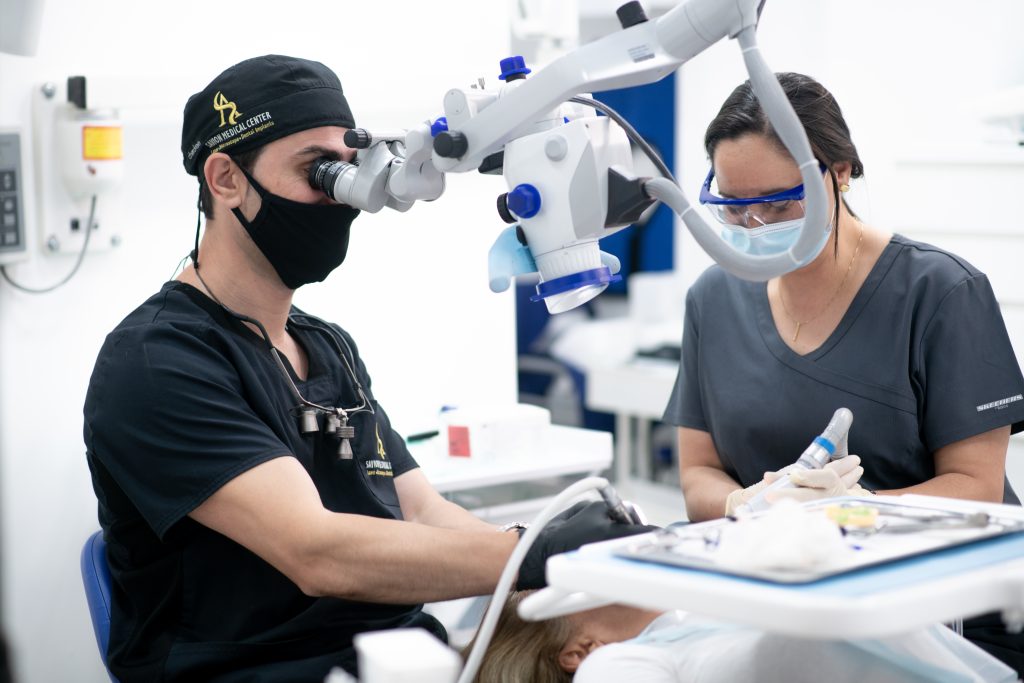
Are you experiencing gum pain, whether mild or severe? Concerned about gum disease or another oral health issue? We invite you to a comprehensive evaluation at our advanced dental practice, led by Dr. Ariel Savion.
At Savion Medical Center, we specialize in the diagnosis and treatment of all forms of gum pain, alongside restorative dentistry, dental implants, and much more. We are committed to individualized, meticulous care, combining professional scaling and cleaning, gum disease prevention, advanced laser treatments, and surgical procedures when conservative management is not sufficient.
Our recommendation: don't wait for mild discomfort to become significant pain. Contact us today, and take a meaningful step toward healthier, pain free gums.