







Halitosis, commonly known as bad breath, is a widespread condition affecting millions worldwide. Many people are concerned about their breath quality, often performing the "hand test" to check. Beyond social discomfort, halitosis can significantly impact self-confidence and interpersonal relationships.
Dr. Ariel Savion has been an active dentist since 2007 and holds a dual Master’s degree from Germany in Laser Sciences and Dental Implantology. He has clinical expertise in laser periodontal therapy, microscopic surgery, and dental implant procedures.
He serves as the Medical Director of the dental corporation Savion Medical Center Ltd. and is the founder and owner of the prestigious master_implant educational club, dedicated to training dentists in advanced fields of dentistry.
In addition, Dr. Savion is the only certified instructor in Israel on behalf of the World Clinical Laser Institute in the field of laser dentistry.
Dr. Savion is an international researcher and lecturer and serves as a Key Opinion Leader (KOL) for leading medical companies in Israel and worldwide, specializing in laser dentistry, periodontology, and dental implantology.

Primary Causes of Halitosis and Their Treatment
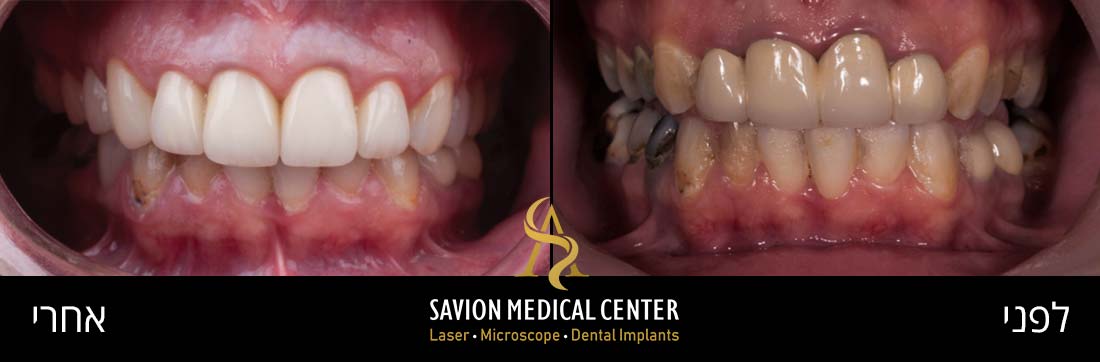
- Defective dental restorations (old crowns), advanced cavities, or root necrosis
- Food debris trapped between teeth due to inadequate contact points or insufficient use of interdental cleaners and floss, leading to bacterial decomposition
- Posterior tongue coating with accumulation of food particles and bacteria that release malodorous toxins
- Poor oral hygiene allowing bacterial proliferation and sulfur compound production
- Advanced periodontal disease or absences creating anaerobic bacterial environments that produce offensive odors
- Fungal infections on the tongue or in the digestive system
- Systemic conditions including uncontrolled diabetes and antihypertensive medications
- Genetic predisposition to bacterial byproducts from protein breakdown in the oral cavity. Saliva flow naturally cleanses bacteria and their byproducts; therefore, mouth breathing, fasting, or medications causing dry mouth can exacerbate halitosis
- Smoking reduces bacterial activity but paradoxically worsens oral malodor by causing xerostomia and aggravating gum disease
Medical Risk Factors and Underlying Conditions
Halitosis causes social discomfort, But it may signal underlying medical conditions requiring attention. Recognizing these risk factors enables preventive care and promotes overall health:
- Oral infections - Bacterial activity can cause not only bad breath but also gingivitis and oral absences. Bacteria produce malodorous gases while breaking down food particles and sugars. Treatment includes professional cleaning, sometimes antibiotics, and occasionally removal of infected tissue.
- Sinusitis - Inflammation of the sinuses with bacterial-laden mucus can contribute to halitosis through accumulation of secretions that provide a bacterial breeding ground. Treatment may include decongestants, antibiotics, and antihistamines.
- Gastroesophageal reflux (GERD)- Stomach acid rising into the esophagus causes not only heartburn but also oral malodor. Management includes dietary modifications, acid-reducing medications, and in severe cases, surgical intervention.
- Diabetes - Uncontrolled blood sugar leads to ketone production (also occurring during prolonged fasting), creating a characteristic fruity or acetone-like breath odor. Proper diabetes management and blood sugar control can alleviate this symptom.
- Liver or kidney disease - These conditions may cause breath malodor due to toxin accumulation when the liver or kidneys cannot adequately process waste products. Treatment is disease-specific, typically involving medication and dietary adjustments.
- Chronic xerostomia (dry mouth) - Insufficient saliva production leads to oral dryness, exacerbating bad breath. Saliva cleanses the mouth, combats bacteria, and eliminates odor-causing particles. Management includes increased hydration, saliva substitute gels, or medications to stimulate salivary production.

6 Strategies for Fresh Breath
Consider these evidence based recommendations for maintaining fresher breath:
Certain foods function as natural breath purifiers. Fresh mint leaves, parsley, basil, and cilantro help neutralize odors, with their high chlorophyll content contributing to breath freshening while also reducing bacterial activity. Similarly, fennel seeds and anise can neutralize both odors and bacterial proliferation.
Sugar-rich and high-protein foods can increase production of malodorous compounds. Adopting a low-sugar diet, replacing processed sweets with fresh fruits, and consuming abundant vegetables and whole grains significantly reduces unpleasant oral odors.
Oral dryness intensifies bad breath, making adequate water intake essential. Green tea offers dual benefits: hydration plus powerful antioxidants that reduce odor-causing bacteria. Regular green tea consumption helps maintain oral freshness and reduces breath malodor.
Minimize consumption of dominant-flavored foods such as onions, garlic, and pungent spices that contribute to persistent oral malodor.
An aged toothbrush harbors bacteria and loses cleaning effectiveness. Replace your toothbrush every three months, or sooner if bristles show wear, to ensure optimal dental hygiene and odor reduction.
Stress and tension contribute to oral dryness and worsen halitosis. Stress-reduction techniques—including listening to calming music, deep breathing exercises, meditation, and relaxing walks—promote overall wellness and support normal salivary gland function.
Professional Diagnosis of Halitosis
An experienced dentist can accurately diagnose the source of oral malodor and recommend appropriate treatment protocols. Treatment Approaches:
- Proper oral hygiene with electric toothbrushes significantly reduces oral malodor
- Interdental cleaners and dental floss remove food debris and prevent bacterial decomposition
- Daily alcohol free mouth rinse
- Comprehensive oral examination every six months with treatment as needed
- Tongue cleaning – 80% of bad breath originates from inadequate tongue hygiene. Gently scrape the tongue with a spoon or tongue scraper before bedtime
- Adequate hydration (minimum 2 liters daily)
- Digestive system evaluation and treatment as indicated
- Xerostomia management
- Reduced smoking and alcohol consumption
- Sugar-free gum after meals
- Periodontal disease treatment with regular follow-up
The Importance of Professional Dental Evaluation
Regular dental examinations prove essential when dealing with halitosis, particularly chronic or persistent cases. A thorough dental examination can determine whether the issue stems from inadequate oral hygiene practices or signals potential health concerns requiring additional treatment. Your dentist can identify signs of conditions such as periodontal disease or oral infections.
Following examination, your dentist will recommend appropriate treatment or refer you to a specialist for further evaluation. Ultimately, dental visits promote oral health, enable early diagnosis of medical conditions, and identify underlying diseases for which bad breath may be an initial indicator. Early diagnosis through dental visits can be the first step toward proper treatment, improved health, and effective management of unpleasant breath.

This article was written by Dr. Ariel Savion to increase awareness about oral hygiene and dental care.
Biannual tartar removal and annual dental check-ups prevent the need for extensive dental procedures and significantly reduce dental care expenses. Research has demonstrated that oral bacteria causing cavities are contagious and can be transmitted to children and close contacts.