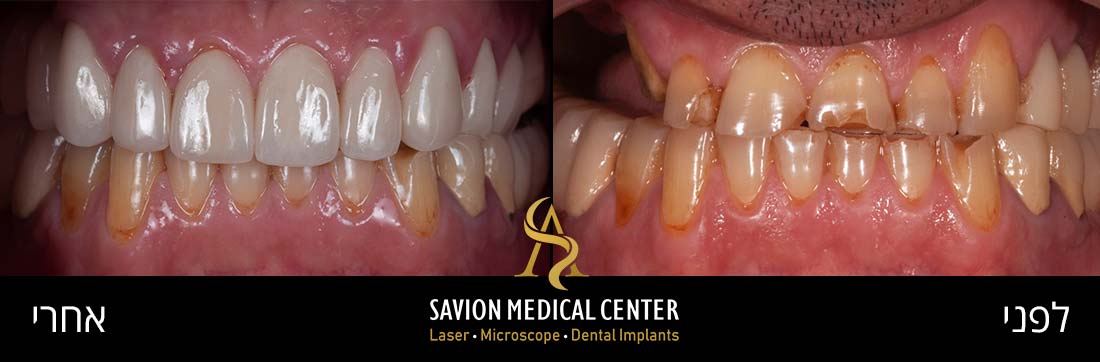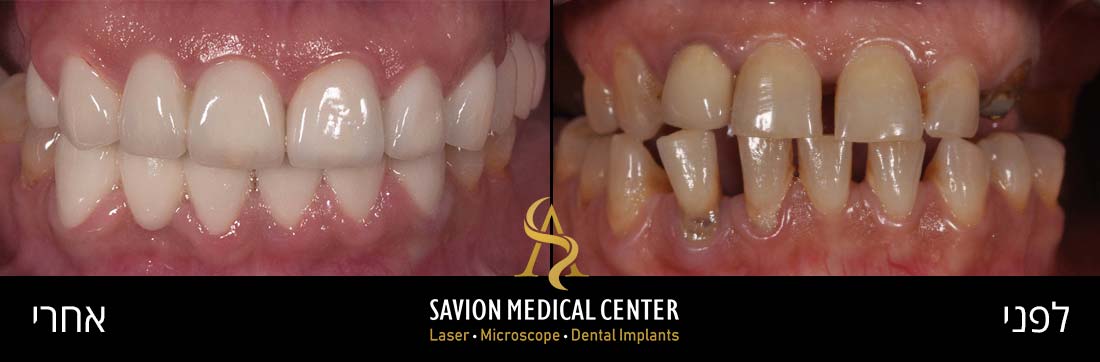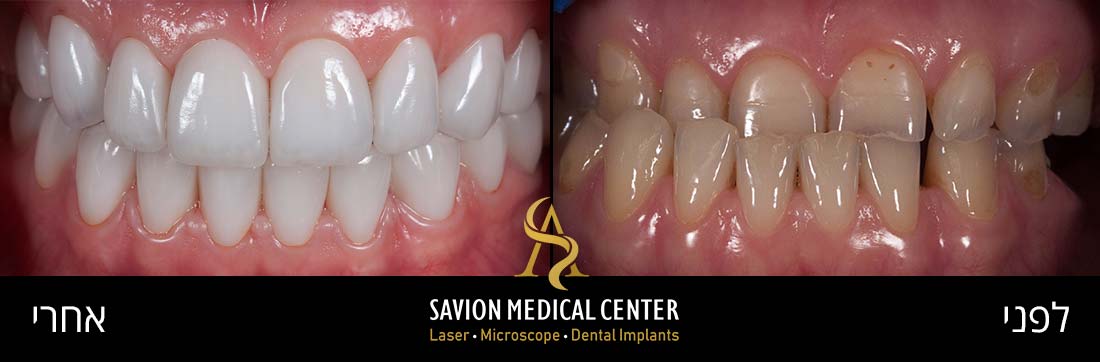





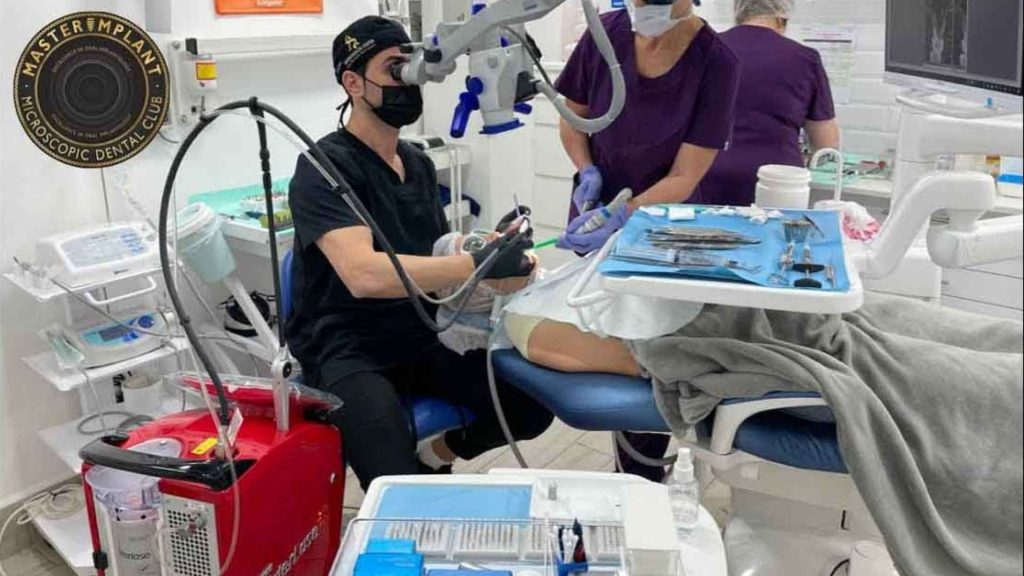
Dentistry is undergoing a revolution, and the use of laser energy in dental implantology is leading microsurgical treatment to the forefront of technology.
Laser-assisted dental implants combined with therapeutic microscopy represent a minimally invasive surgical approach that accelerates the healing process following implantation. This article details the advantages of laser dentistry in dental implants, gingival grafting, bone augmentation, and soft and hard tissue treatment.
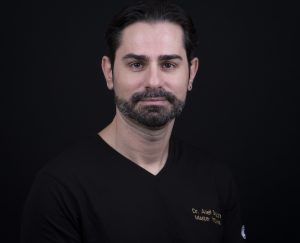
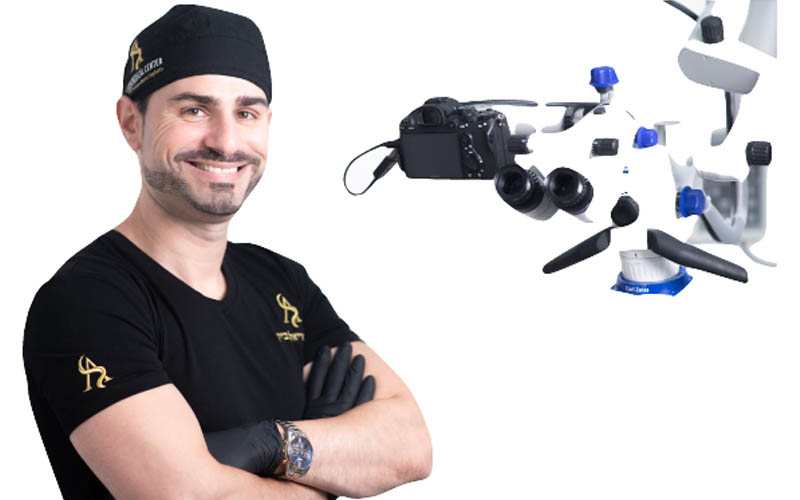
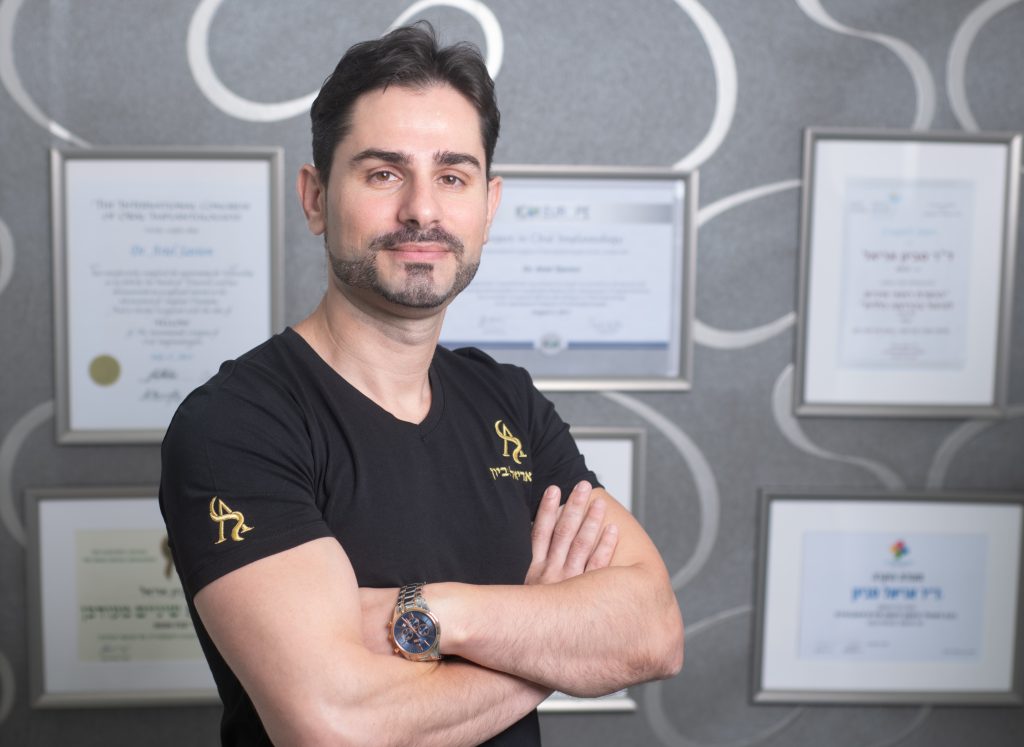
Dr. Ariel Savion has been an active dentist since 2007 and holds a dual Master’s degree from Germany in Laser Sciences and Dental Implantology. He has clinical expertise in laser periodontal therapy, microscopic surgery, and dental implant procedures.
He serves as the Medical Director of the dental corporation Savion Medical Center Ltd. and is the founder and owner of the prestigious master_implant educational club, dedicated to training dentists in advanced fields of dentistry.
In addition, Dr. Savion is the only certified instructor in Israel on behalf of the World Clinical Laser Institute in the field of laser dentistry.
Dr. Savion is an international researcher and lecturer and serves as a Key Opinion Leader (KOL) for leading medical companies in Israel and worldwide, specializing in laser dentistry, periodontology, and dental implantology.
Laser in Dental Implant Placement
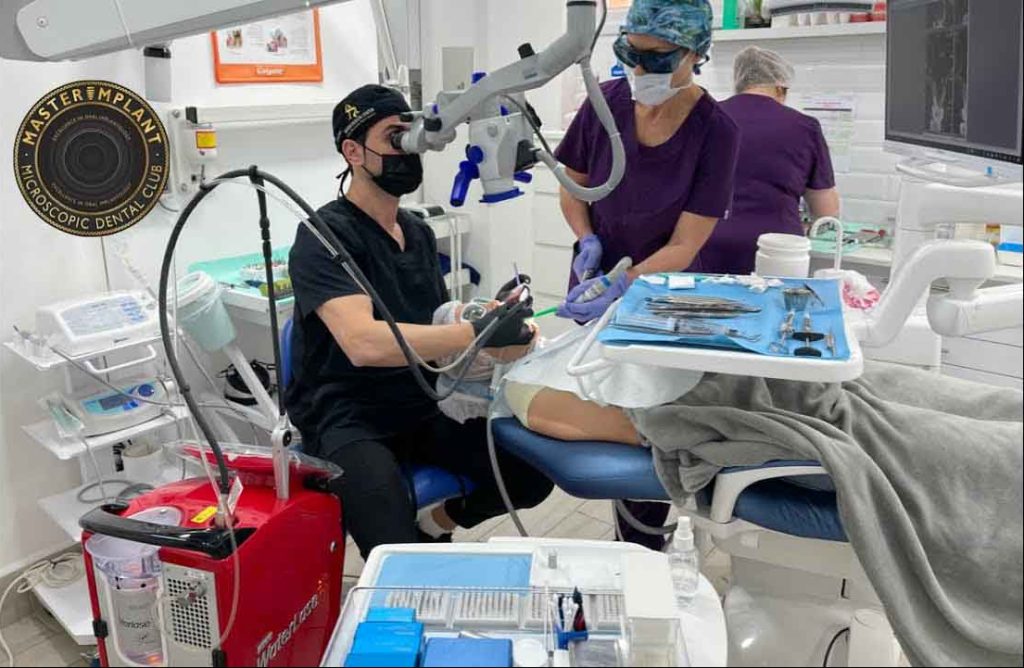
Dental phobia often creates anxiety and delays surgical procedures. With laser technology, dental implants can be placed without incisions or sutures (for suitable candidates). Laser energy creates a small opening in the gingiva and "drills" through the bone using laser energy, culminating in the placement of the dental implant.
Without opening and closing the gingiva, the bone remains unexposed to non-sterile environments, resulting in less pain, reduced swelling, and most patients returning to full routine the next day.
Furthermore, lasers enable implant exposure through minimal openings without suturing.
Main Benefits of Laser Assisted Implant Surgery
Laser-assisted gingival and dental implant placement has revolutionized implant dentistry, improved outcomes and faster healing. Additional advantages include:
- Pain Free - The primary benefit of laser gingival grafting is minimal discomfort. Many patients report feeling no pain during the procedure.
- Minimal Bleeding - Lasers cauterize blood vessels as they cut, significantly reducing bleeding during and after implantation.
- Precision and Accuracy - Laser beams operate with exceptional precision, enabling controlled tissue removal while minimizing damage to surrounding healthy tissues.
- Antibacterial Properties - Certain lasers possess antibacterial characteristics, sterilizing the surgical site and reducing infection risk.
- Superior Aesthetics - Laser incisions typically result in minimal scarring and more aesthetic outcomes.
- Refined Tissue Contouring - Lasers can precisely and delicately shape gingival tissue to achieve optimal aesthetic results.
- Reduced Post Operative Discomfort - Laser procedures reduce discomfort and pain following surgery compared to traditional techniques. Lasers promote faster, more efficient healing of soft tissues by reducing inflammation and encouraging collagen production. Laser work requires less local anesthesia.
Laser vs. Conventional Methods for Keratinized and Connective Tissue Harvesting
Laser energy enables tissue harvesting from the palate or tuberosity area for gingival grafting (near upper wisdom teeth) without surgical scalpels, achieving hemostasis without suturing and faster healing at the harvest site.
The palate is known as a bleeding-prone area with difficult patient recovery after tissue harvesting. With laser energy, patients respond differently, bleeding can be controlled, pain management is enhanced, and tissue healing is accelerated.

Immediate Implant Placement with Laser Following Tooth Extraction
When a tooth has periodontal disease or extensive subgingival coronal destruction with infection in the socket requiring extraction, laser energy eliminates a surgical stage, enabling same-day immediate implantation without concern for residual inflammatory tissue in the extraction site (which could compromise implant integration).
Advantages of Laser Assisted Extraction and Immediate Implantation
Lasers enable removal of inflammatory tissue, release of tooth roots without bone damage (no smear layer on bone), and socket preservation through debridement of inflammatory tissue.
Laser energy penetrates bone tubules, "disinfects" inflammation, accelerates healing, and promotes new bone formation. During the same appointment, immediate implantation can be performed without infection concerns through laser energy "drilling."
Laser Autogenous Block Bone Harvesting for Ridge Augmentation
The advantage of harvesting autogenous block bone with lasers is the absence of a smear layer (bone tubules remain clean, ensuring good blood flow), no bone overheating, no bone necrosis from excessive heat, no damage to blood vessels or nerves, and complete control during harvesting.
One complication of block bone harvesting is difficult patient recovery because conventional harvesting with discs or rotary instruments heats the bone, leaves a smear layer, and causes more challenging healing. Laser energy is very superficial (up to 500 microns) and enables bone harvesting without concern for damage to blood vessels, anatomical structures, or nerves.
Laser Assisted Sinus Lift with Dental Implants
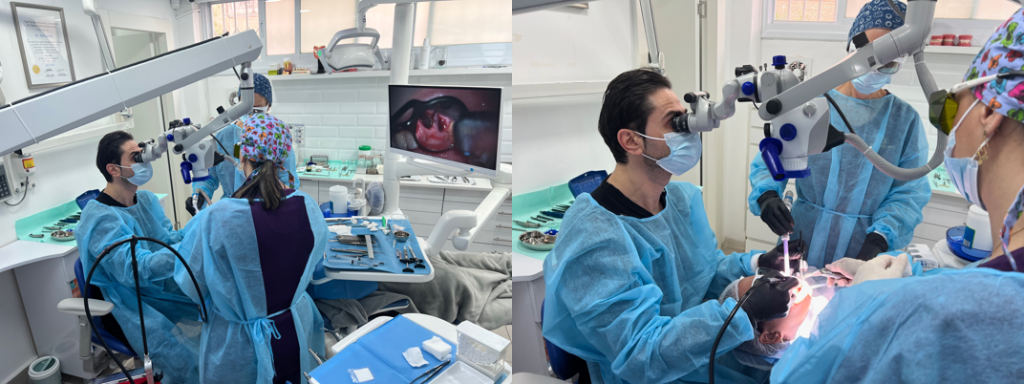
With dedicated hard tissue lasers (Erbium laser family), a lateral window can be opened using the open sinus lift technique with reduced risk of sinus membrane perforation. Laser energy can elevate the membrane instead of surgical scalpels, performing sinus lifts via laser while avoiding complications of blood vessel damage or membrane perforation.
In conventional methods, many practitioners use powered instruments (turbines) operating at 300,000 RPM, which can cause the aforementioned complications.
Moreover, with laser energy, patients experience less traumatic procedures, reduced bleeding and swelling, lower infection risk, and complete control during surgery. Post-treatment, pain management and stimulation can be performed using diode lasers, which accelerate healing.
Laser Removal of Labial Frenum Between Upper Incisors
The labial frenum between upper incisors is common among patients and requires attention during dental implantation, gingival grafting, or treatment of gingival recession.
The labial frenum attaches to the keratinized gingiva of the upper lip and contributes to gingival recession and limits access for dental implant placement and connective tissue coverage around implants. Its removal before dental implant placement is crucial to prevent complications such as suture dehiscence and soft tissue recession around dental implants.
Laser vs. Conventional Labial Frenectomy
The labial frenum interferes with speech, creates gaps between teeth, and causes gingival recession. Laser technology enables removal on the day of implantation (gingival, implant, or bone) without sutures or additional surgery.
The frenum area contains numerous blood vessels, and conventional scalpel methods cause bleeding during frenum fiber cutting, making this procedure bloody and invasive, requiring sutures and causing scarring.
With laser technology, the treatment is minimally invasive, suture less, with rapid recovery, minimal scarring in the upper lip area, and an easier, simpler procedure.
Vestibulopathy Before or After Dental Implants or Bone Grafting
A shallow vestibule less than 4mm requires vestibuloplasty surgery and keratinized tissue harvesting. A shallow vestibule (cheek area) and masticatory muscle activity cause implant failure due to soft tissue recession around implants and peri-implantitis development.
Therefore, vestibulopathy should be performed (typically after implant placement, during the gingival grafting stage).
Laser vs. Conventional Vestibulopathy
Laser vestibular incision doesn't cut cells but separates them. The incision is very superficial with complete control over soft tissues, blood vessels, and nerves, contributing to rapid healing. Laser energy is absorbed by tissues and contributes to bio stimulation of soft tissues.
Additional Soft Tissue Treatments with Laser Energy
- Fibroma Removal – Fibromas can be removed in minutes without local anesthesia, bleeding, or post-operative pain.
- Hyperplastic Tissue Removal (Hyperplasia) in Orthodontic Cases – Tissue can be contoured with rapid healing and no pain.
- Soft Tissue Excision – For bracket placement and excess soft tissue removal, no local anesthesia required.
- Operculectomy Treatment – Fibrotic tissue causing pericornonitis near wisdom teeth, creating pain and swelling. Lasers can exercise fibrotic tissue in minutes without sutures or pain.
Laser Dental Implants Under Moderate Sedation
Moderate sedation (or conscious sedation) is a type of anesthesia that helps patients feel relaxed and comfortable during advanced or complex dental treatments, including laser dental implants. This form of sedation is administered through medication, typically via IV infusion, inducing a state of deep relaxation without unconsciousness or deep sleep.
Patients under this type of sedation can respond to the dentist's instructions and breathe independently as usual. However, they may feel drowsy and typically remember little or nothing of what occurred afterward.
This makes moderate sedation an ideal choice for patients experiencing dental anxiety or requiring relatively long and complex procedures, such as laser dental implants.
Why Moderate Sedation Over Deep Sedation or General Anesthesia?
One primary advantage of moderate sedation during laser dental implant placement is its ability to provide comfort and calmness to patients. By inducing deep relaxation, moderate sedation minimizes pain sensation and any accompanying physical or emotional discomfort.
This is particularly important in dental implant procedures, which can be more prolonged and intensive than routine dental treatments. Patients can undergo the procedure with greater ease and peace of mind. Additionally, moderate sedation offers several advantages over deeper sedation and general anesthesia:
Unlike deep anesthesia where patients are essentially unconscious, moderate sedation allows patients to respond as needed with natural reflexes such as coughing and swallowing. This helps prevent complications throughout treatment. Patients can also respond to physician instructions, and maintaining an airway and routine breathing is easier.
The effects of moderate sedation dissipate more quickly than deep sedation or general anesthesia, resulting in shorter recovery time with fewer side effects. Patients undergoing laser dental implant procedures with this type of sedation can return home the same day with minimal recovery time and minimal disruption to daily routine.
A key advantage of moderate sedation is its high safety level compared to deep sedation and general anesthesia. Moderate sedation is considered safer regarding patients' respiratory and cardiovascular function during treatment because patients remain conscious and can respond and breathe independently throughout the procedure. This reduces the likelihood of complications such as respiratory arrest or cardiovascular instability.
Additionally, medications used for moderate sedation are known to have lower risks of side effects than those used in deeper sedation levels or general anesthesia. This makes it a safe and preferred choice for most patients.
It's important to note that not all patients will be suitable candidates for moderate sedation (or deeper anesthesia). Medical history, current medications, overall health status, and other medical parameters must be considered. Ultimately, patients will undergo comprehensive evaluation by the physician to determine the most appropriate and medically suitable sedation method.