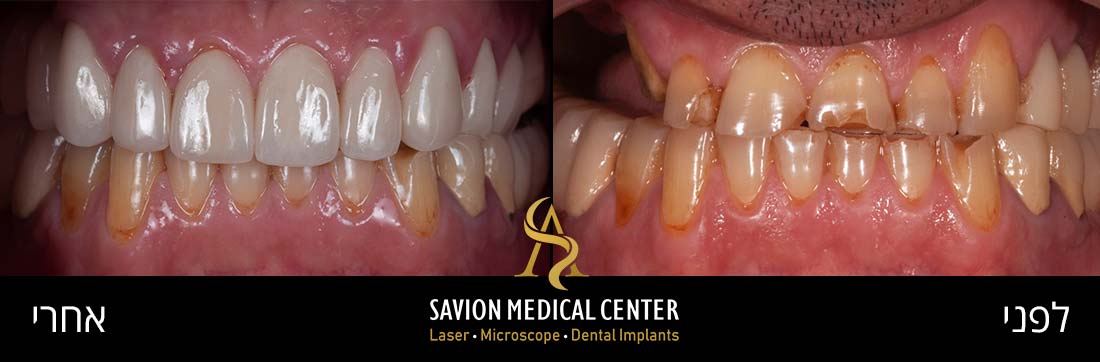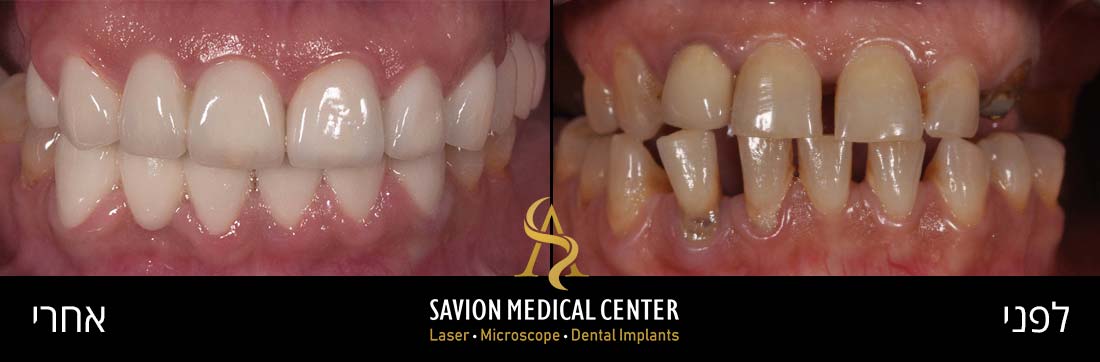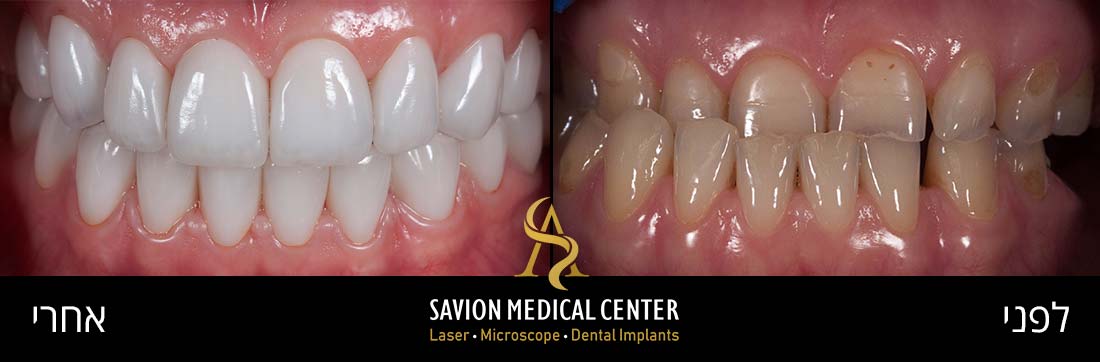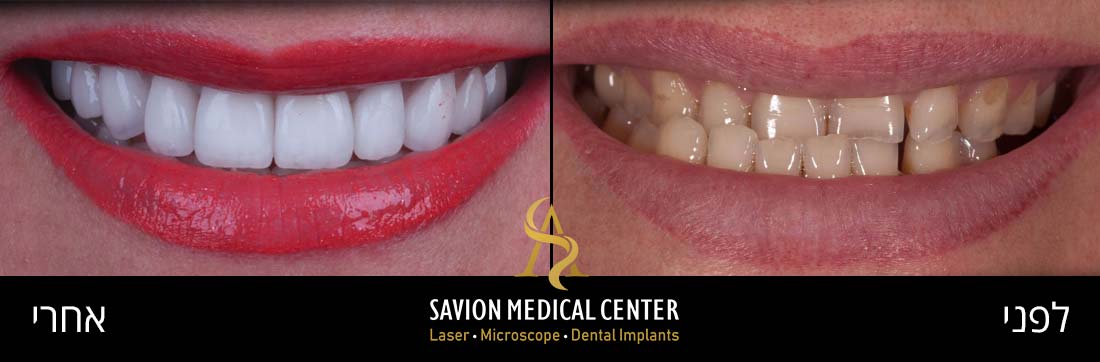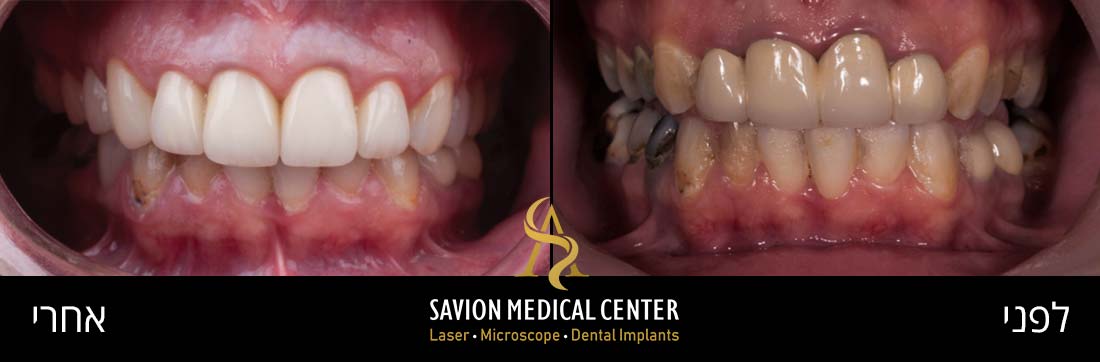







Dr. Ariel Savion explains: "Chronic gum diseases are one of the leading causes of tooth loss, and in patients who smoke, the damage can be significantly worse."
The effects don't always appear immediately, but it's important to understand that smoking cigarettes, tobacco, or cannabis harms oral health in ways that can become irreversible if not addressed in time.
Dr. Ariel Savion has been an active dentist since 2007 and holds a dual Master’s degree from Germany in Laser Sciences and Dental Implantology. He has clinical expertise in laser periodontal therapy, microscopic surgery, and dental implant procedures.
He serves as the Medical Director of the dental corporation Savion Medical Center Ltd. and is the founder and owner of the prestigious master_implant educational club, dedicated to training dentists in advanced fields of dentistry.
In addition, Dr. Savion is the only certified instructor in Israel on behalf of the World Clinical Laser Institute in the field of laser dentistry.
Dr. Savion is an international researcher and lecturer and serves as a Key Opinion Leader (KOL) for leading medical companies in Israel and worldwide, specializing in laser dentistry, periodontology, and dental implantology.

Why Gum Health Matters and The Restorative Treatment Integrative Approach
- Chronic Gum Inflammation:
Smoking significantly compromises the immune system's ability to fight gum infections. The smoke damages the cells that protect the gums, allowing oral bacteria to become more aggressive.
This accelerates the progression of conditions like gingivitis and periodontitis in smokers compared to non-smokers.
- Reduced Blood Flow to Gum Tissue:
When you smoke, nicotine and the chemicals in cigarette smoke cause blood vessels in the gums to constrict. As a result, gums receive less oxygen and fewer nutrients, which impairs their ability to heal after treatments such as deep cleaning or surgery.
Paradoxically, smokers' gums may appear healthy on the surface, even as serious disease progresses beneath, a silent threat that extends to the jawbone itself.
- Bacterial Plaque and Tooth Staining:
Nicotine, tobacco, and cannabis leave a yellowish-brown layer of residue on the teeth and accelerate the formation of plaque and calculus far more than in non-smokers.
- Bad Breath (Halitosis):
Many smokers suffer from persistent bad breath caused not only by the smoke itself, but also by undetected inflammation and tartar buildup on the teeth.
"50 – 60% of the global population suffers from chronic gum disease. Gum diseases can be treated using laser techniques without sutures and without incisions. And remarkably, patients heal and return to their normal routine."
Dr. Ariel Savion:
Cannabis Smoke Is Not Less Harmful
- Cannabis smoke is rich in toxic compounds, particularly when mixed with tobacco, and causes direct damage to oral tissues and teeth.
- It also reduces saliva production, leading to chronic dry mouth (xerostomia), which creates a more hospitable environment for bacterial growth and raises the risk of cavities, gum disease, and tooth damage.
- Because cannabis is typically smoked without a filter, the hot smoke makes direct contact with the inner tissues of the mouth, causing microscopic burns and increased sensitivity to dental treatments.
- Like tobacco smoke, cannabis smoke contains carcinogenic substances such as formaldehyde and phenol, which increase the risk of cancer in the gums, the oral mucosa, or the tongue.
"Many patients assume that smoking cannabis is less damaging than smoking cigarettes but the reality is quite different."
Dr. Ariel Savion:
How Smoking Affects Dental Surgery and Implant Recovery
Smoking impairs the body's ability to rebuild bone and gum tissue after dental surgery. Among smokers, the risk of implant failure is nearly twice as high as in non-smokers, because smoke disrupts osseointegration, the process by which the implant fuses with the bone. Smoking can also significantly extend recovery time from surgical treatments and increase the risk of infection.
"Smokers are at significantly higher risk of complications during gum surgeries and dental implant procedures."
Dr. Ariel Savion:
The Importance of Quitting Before and After Dental Treatment
Smoking prevents teeth, gums, and the oral cavity from healing properly after treatment. Quitting smoking directly reduces the risk of complications such as painful gum inflammation, implant failure, and post-surgical infection.
It is recommended to stop smoking at least two weeks before and two weeks after any surgical dental procedure to give the tissues the best chance of healing normally.
What's Actually in Cigarette Smoke?
Cigarette smoke is an exceptionally toxic chemical mixture containing over 7,000 different chemicals, of which at least 70 are known carcinogens. Here is a breakdown of the key compounds and their effects on oral health:
- Nicotine - The most addictive substance in tobacco. It constricts blood vessels, including those in the gums, reducing the supply of oxygen and nutrients to oral tissues. It also suppresses immune function, making the body less effective at fighting infections.
- Carbon Monoxide (CO) - A toxic gas that binds to hemoglobin in the blood, reducing oxygen delivery throughout the body including to the mouth. This directly impairs the healing capacity of oral tissues.
- Formaldehyde - A toxic preservative that causes severe cellular damage to soft tissues like oral mucosa and gums. It can damage cellular DNA and initiate carcinogenic processes.
- Phenol - A chemical that directly damages cell membranes. Prolonged exposure makes the oral mucosa significantly more susceptible to infections and inflammation.
- Tar - The sticky byproduct of tobacco combustion. It adheres to teeth, the palate, and the mucosa, causing severe staining and prolonged exposure to carcinogenic compounds that increase the risk of oral cancer.
- Free Radicals - Molecules produced during tobacco combustion that trigger chronic inflammatory processes and accelerate tissue aging, particularly in the mouth.
The Cigarette Damage Mechanism
Cigarette smoke combines immediate and cumulative damage to the hard and soft structures of the mouth, driven by reduced oxygen supply, direct cellular injury, amplified inflammation, and an elevated risk of oral and pharyngeal cancer.
Cannabis and Oral Health
Many people believe that cannabis, especially in its medicinal form, is "risk-free" compared to cigarettes. In reality, smoking cannabis carries serious consequences for both oral and systemic health.
- THC (Tetrahydrocannabinol) – The primary psychoactive compound in cannabis. It acts as a natural appetite suppressant and inhibits saliva production, leading to chronic dry mouth (xerostomia). This promotes bacterial growth and increases the risk of cavities and gum inflammation, while also reducing the natural protective moisture in the mouth.
- Cannabis smoke itself is typically inhaled at higher temperatures and without a filter, delivering hot smoke directly to sensitive oral tissues. This causes thermal trauma, burns and localized inflammation in the gums and mucosa.
- Like cigarettes, it also constricts blood supply to the gums, impairing post-treatment healing.
Long Term Effects of Cannabis Smoking
Chronic cannabis use increases the risk of:
- Cavities and tooth decay
- Aggravates gum inflammation and causes structural damage to the supporting tissues
- It also raises the risk of oral cancer, including tongue and palate
- Reduces the success rate of dental implants
Are E-Cigarettes Really Safer?
- Nicotine in the vaping liquid – In many cases, nicotine concentrations in e-cigarettes exceed those found in conventional cigarettes, increasing the risk of blood vessel constriction and dry mouth.
- Propylene Glycol and Glycerol – These chemicals dry out the oral mucosa and raise acidity in the mouth, contributing to tooth decay and enamel erosion.
- Free Radicals in Vapor – E-cigarettes also generate free radicals, which damage cells, reduce tissue resilience in the gums, and weaken natural healing mechanisms.
- Heavy Metals – Vaping releases metals such as nickel and chromium from the heating element of the device, introducing toxic contamination to oral tissues.
"Many people switch to e-cigarettes under the impression that they are less harmful. But e-cigarettes also carry significant potential for damage."
Dr. Ariel Savion:
How Quitting Smoking Protects Your Oral Health
Once smoking stops, the gums and bone receive more oxygen, enabling better healing after implants or gum treatments. Quitting significantly reduces the risk of chronic gum disease progression and makes treatments more effective.
Non-smokers enjoy considerably higher implant success rates due to faster bone and tissue recovery. Aesthetically, quitting prevents the buildup of yellowish-brown stains, and the gums regain their natural healthy appearance.
Preparing for Gum Treatment or Implants
If you are a smoker, follow these steps before and after treatment:
Stop smoking at least two weeks before the procedure. Continue to abstain for at least two weeks after implant surgery or gum treatment. Inform your dentist of your full smoking history, including e-cigarettes and cannabis.
The Bottom Line
"Smoking, whether conventional cigarettes, cannabis, or e-cigarettes, is one of the most significant factors in the progression of gum disease and the failure of dental treatments. Quitting will not only improve your treatment outcomes, but restore the health of your mouth, gums, and teeth."
If you are considering gum disease treatment or dental implants, do yourself the greatest favor, quit smoking now.

How We Can Help
At Savion Medical Center, we accompany patients throughout the entire process, from treatment planning to smoking cessation support. We employ advanced techniques including lasers, dental microscopes, and minimally invasive approaches that reduce the risk of bleeding and infection.
We are happy to provide guidance and tools to help you quit smoking and ensure the best possible outcome for your treatment.
"At Savion Medical Center, we are committed to the health of our patients. As part of that commitment, we encourage you to abstain from smoking and offer you the support and tools to maintain long-term oral health."
Dr. Ariel Savion: