





- Clear Aligners: What You Need to Know
Clear aligner treatment is an orthodontic approach that uses custom-made transparent trays to gradually straighten teeth, with no visible metal hardware.
- The method is suitable for both adults and teenagers who want to achieve straighter teeth discreetly and comfortably.
- Average treatment duration ranges from 6 to 18 months, depending on the complexity of the case and patient compliance.
- The aligners are removable for eating and brushing, which makes maintaining good oral hygiene significantly easier than with fixed braces. A retainer is required after treatment to preserve the final result.
What Is Clear Aligner Therapy?
Clear aligner therapy, most notably Invisalign, is one of the most significant advances in modern orthodontics. This innovative method offers a discreet, comfortable alternative to traditional metal braces and brackets.
Each set of aligners is fabricated from high-grade thermoplastic material, precisely engineered to fit the individual patient's dental anatomy. Treatment progresses in stages: each set of aligners is replaced every few weeks, gradually guiding the teeth into their desired positions.
Born in the late 1990s, clear aligner technology marked a turning point in orthodontic care. For the first time, adults and teenagers could undergo orthodontic treatment while maintaining a natural, unobtrusive appearance. The removability of the trays added a meaningful comfort advantage over fixed appliances.
While early-generation aligners were best suited for mild corrections, advances in technology and materials now allow clear aligners to address a broad range of complex cases, with increasingly precise, personalized results.
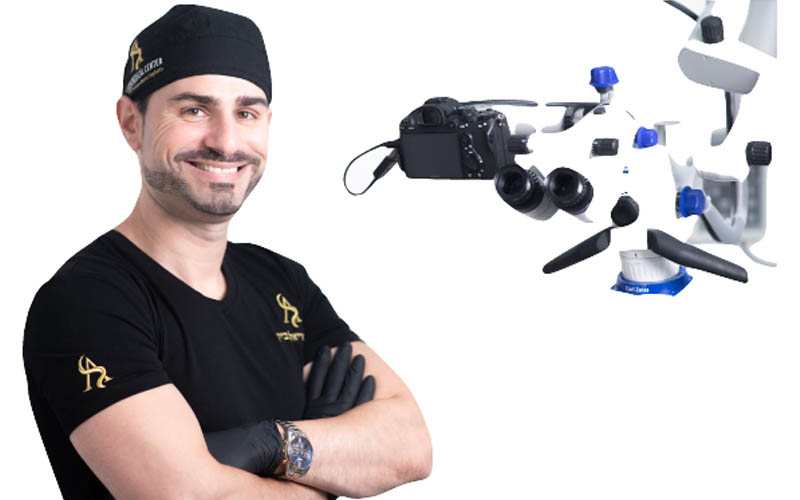
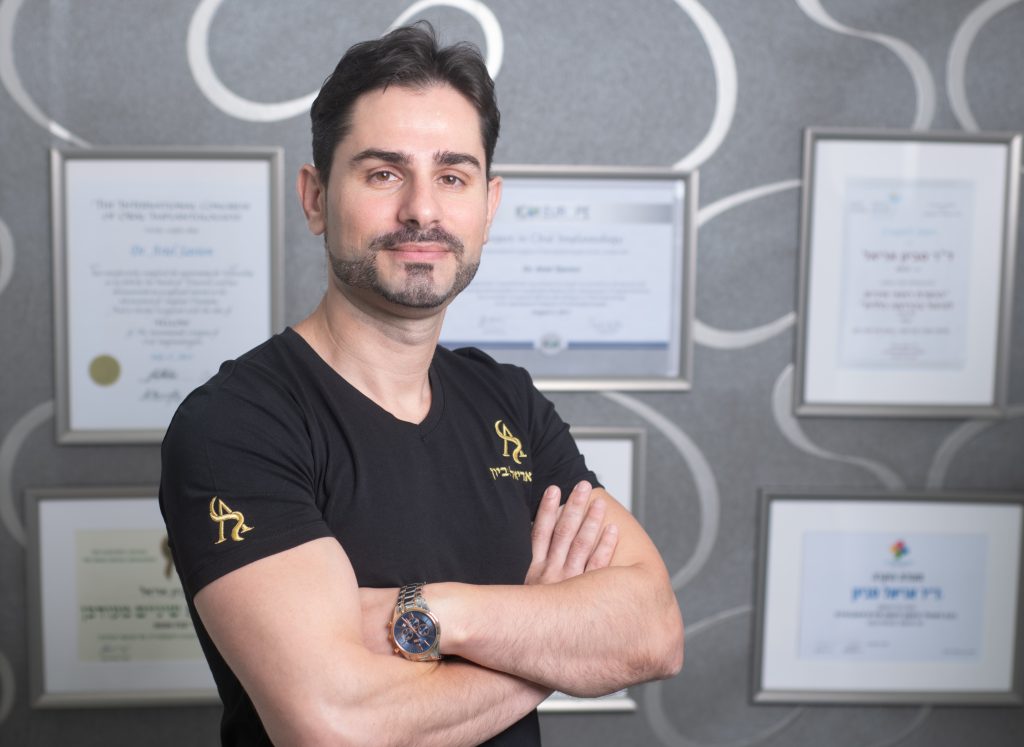
Dr. Ariel Savion has been an active dentist since 2007 and holds a dual Master’s degree from Germany in Laser Sciences and Dental Implantology. He has clinical expertise in laser periodontal therapy, microscopic surgery, and dental implant procedures.
He serves as the Medical Director of the dental corporation Savion Medical Center Ltd. and is the founder and owner of the prestigious master_implant educational club, dedicated to training dentists in advanced fields of dentistry.
In addition, Dr. Savion is the only certified instructor in Israel on behalf of the World Clinical Laser Institute in the field of laser dentistry.
Dr. Savion is an international researcher and lecturer and serves as a Key Opinion Leader (KOL) for leading medical companies in Israel and worldwide, specializing in laser dentistry, periodontology, and dental implantology.
Laser Technology in Dentistry, What's New?
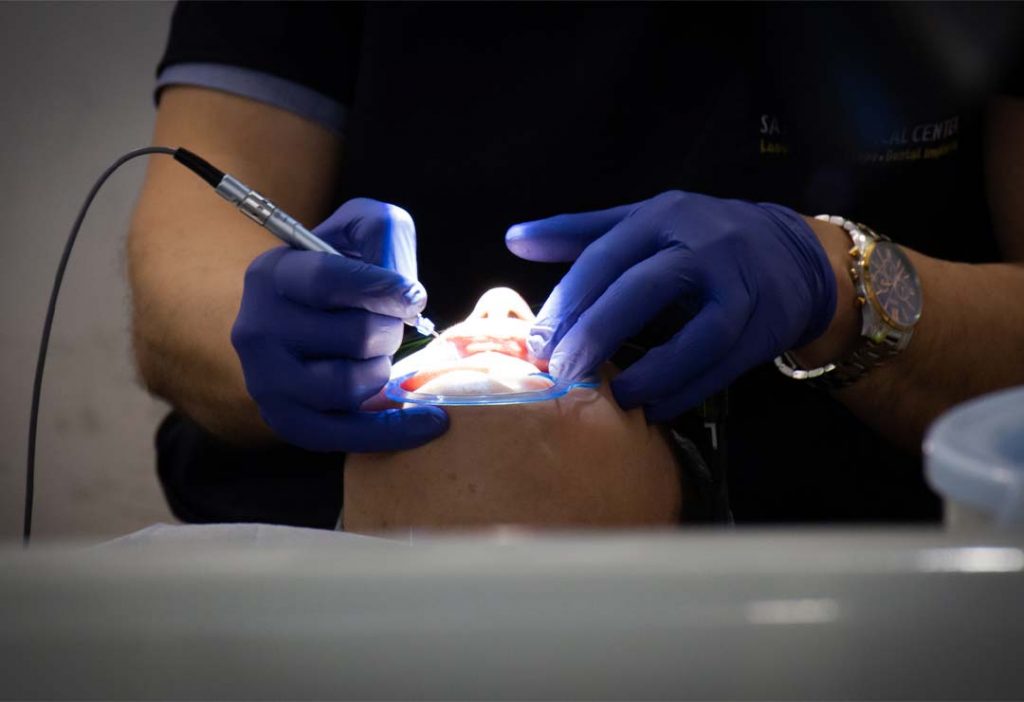
Over the past decade, dental laser therapy has gained substantial momentum and is reshaping clinical practice. Offering exceptional precision alongside reduced treatment intensity and patient discomfort, lasers are now used across a wide spectrum of procedures.
Applications include cavity preparation, restorative work, root canal therapy, and aesthetic gingival contouring, all with minimal impact on surrounding healthy tissue.
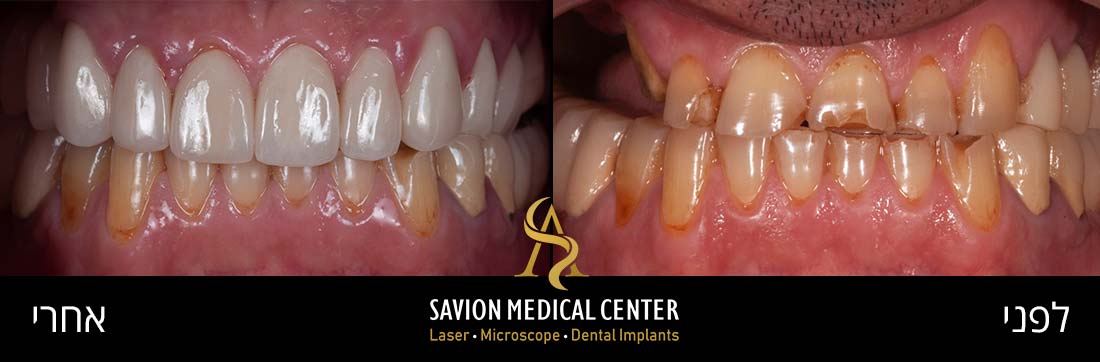
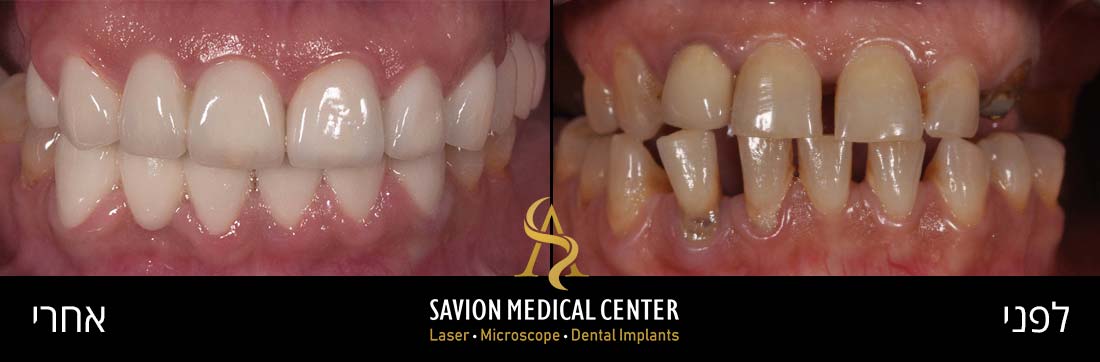
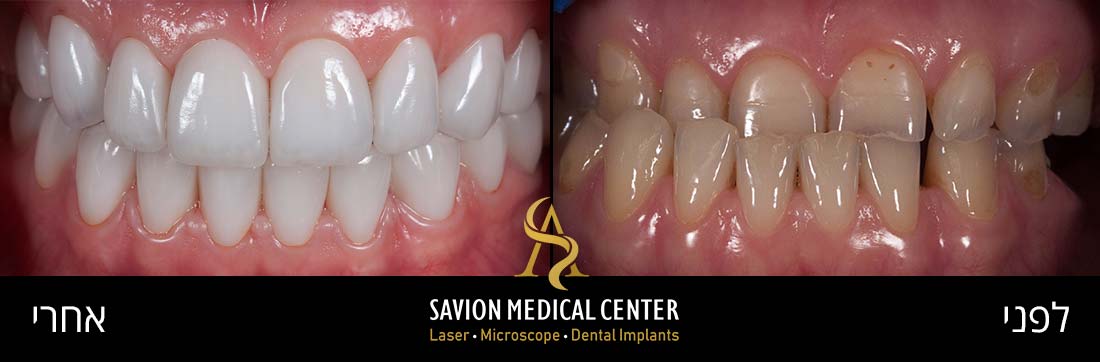
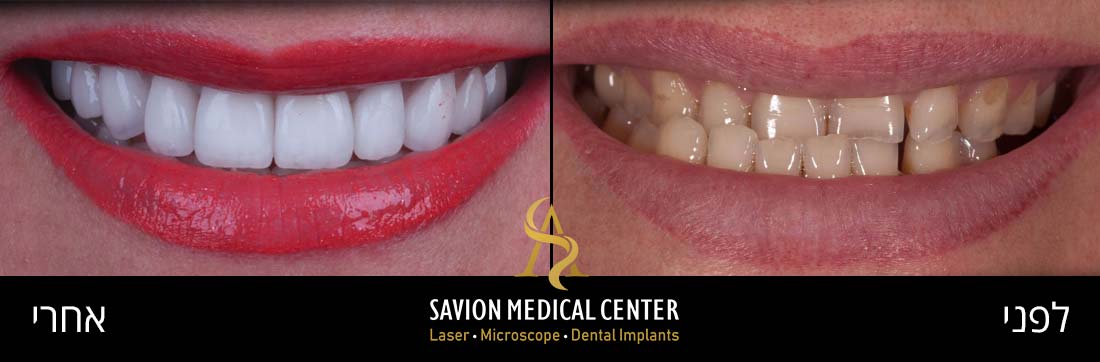
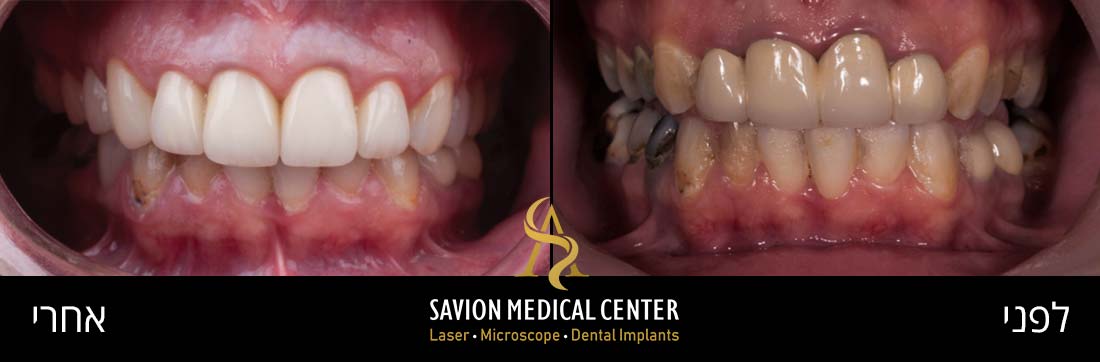
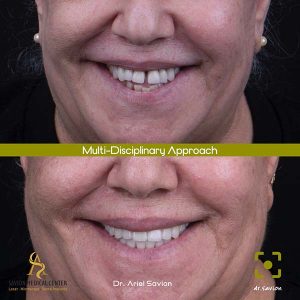
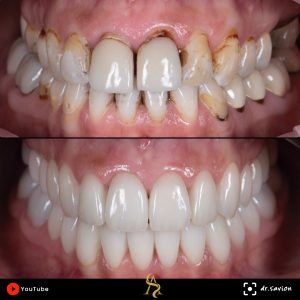
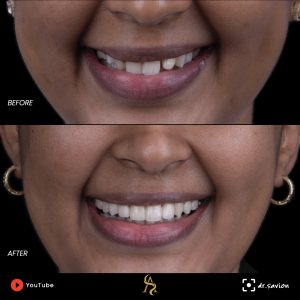
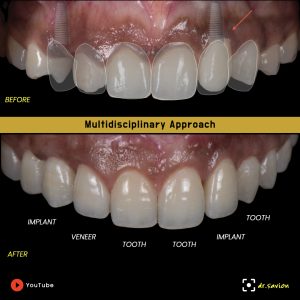
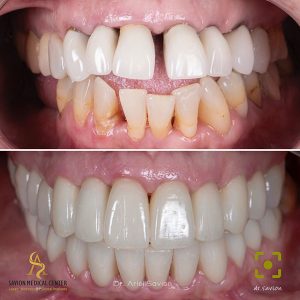
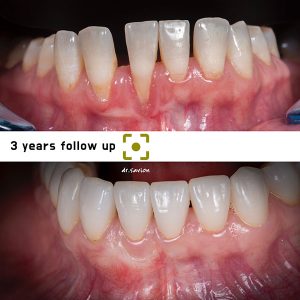
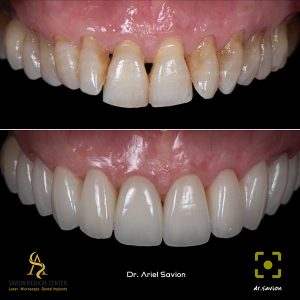
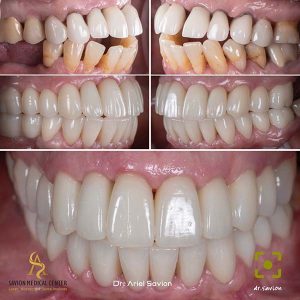
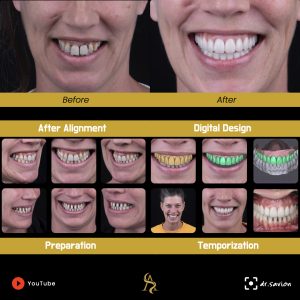
Before and after photos of teeth straightening at Dr. Savyon's clinic:
Does Laser Play a Role in Orthodontic Treatment?
Laser-assisted orthodontics is not yet recognized as a standalone treatment modality, and the field is still evolving. Nevertheless, in specific clinical scenarios, laser technology serves as a valuable adjunct during the preparatory phases of orthodontic treatment, enhancing precision and improving final outcomes.
How Laser Integrates with Orthodontic Treatment
Laser procedures are particularly useful when pre-orthodontic preparation is required:
Periodontal treatment
In cases involving gingival inflammation or gingival overgrowth, laser enables precise, minimally traumatic soft tissue contouring.
Restorative preparation
When fillings or restorations are needed before initiating orthodontic treatment, laser offers a precise, comfortable alternative to conventional drilling.
Tooth exposure
In situations where a small amount of gum tissue must be removed to allow accurate aligner seating, laser frenectomy or gingivectomy reduces postoperative discomfort and accelerates healing.
Clinical Advantages of Dental Laser
As this technology continues to mature, dental lasers are expected to become a fully integrated component of direct orthodontic therapy, further advancing the standard of care in smile correction.
- High precision with minimal margin of error
- Reduced collateral damage to healthy tissue
- Decreased patient discomfort during and after treatment
- Shorter procedure and recovery time
- Reduced reliance on rotary drilling instruments
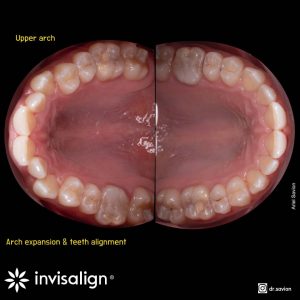
Dental orthodontic imaging by Dr. Savyon
What Is Invisalign?
Invisalign is one of the most widely recognized and clinically validated clear aligner systems in orthodontics. It is built on a foundation of advanced 3D digital imaging, which enables precise, step-by-step planning of tooth movement.
A key feature of the Invisalign system is its ability to generate a virtual preview of the anticipated treatment outcome, before a single aligner is placed.

How the Process Works
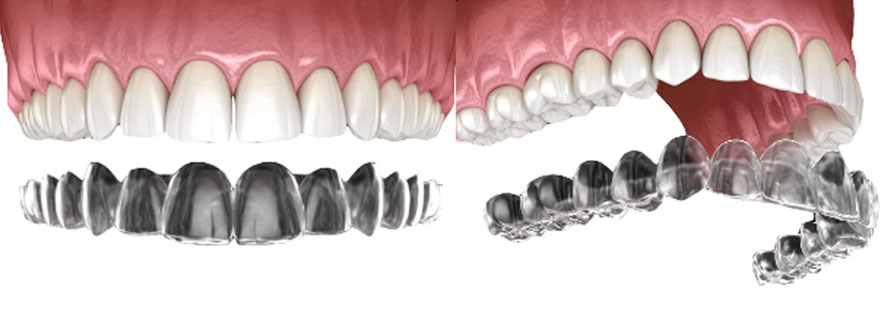
Treatment begins with a detailed intraoral scan, from which a fully customized series of clear aligners is fabricated. Produced in a certified laboratory from high-quality, smooth thermoplastic material, each aligner in the series applies gentle, controlled forces to progressively move the teeth according to the pre-approved treatment plan.
Who Is Invisalign Suitable For?
Invisalign is appropriate for a wide range of patients presenting with various malocclusions, including:
- Crowding teeth
- Spacing between teeth
- Bite irregularities and other positional issues
Its discreet nature makes it an ideal solution for adults who wish to improve their smile without the conspicuousness of metal braces. The virtually invisible aligners allow patients to undergo treatment without any social awkwardness or visible hardware.
Invisalign Step by Step
- Consultation and Clinical Assessment
Treatment begins with a comprehensive examination by a qualified, Invisalign-trained clinician. During this visit:
- The patient's oral health and current dental alignment are assessed.
- The most suitable treatment approach for the individual case is discussed.
- Any necessary preparatory work, such as fillings, scaling, or periodontal treatment, is recommended.
A 3D intraoral scan is then obtained. This is the cornerstone of the Invisalign workflow, enabling precise mapping of tooth movement throughout the treatment. The scan also allows patients to visualize a simulation of their projected outcome from the very first appointment.
- Aligner Fabrication
Once the scan is complete and a personalized treatment plan is approved, the aligners are custom-manufactured:
- Produced in an accredited laboratory to the highest standards of precision
- Made from smooth, fully transparent thermoplastic material contoured to the patient's dental anatomy
- Each set in the series applies incremental, targeted pressure to move the teeth toward their intended position
- Wearing the Aligners and Follow-Up
Consistent wear is essential to treatment success:
- Aligners should be worn for approximately 22 hours per day, removed only for eating, drinking (anything other than water), and oral hygiene.
- Each set is worn for approximately two weeks before advancing to the next in the series.
- Periodic check-ups are scheduled to monitor tooth response and confirm that treatment is progressing as planned.
Practical advantages during treatment:
- Aligners are virtually invisible when worn, preserving a natural appearance throughout the day.
- They are easily removed, placing no restrictions on diet.
- Daily care involves standard tooth brushing and rinsing the aligners, supporting excellent oral hygiene.
- Retention
Once the teeth have reached their optimal positions, a retention phase begins. Natural forces, including chewing, aging, and jaw movement, can cause teeth to drift over time without support.
- Most patients will be provided with a clear retainer to maintain the corrected alignment.
- Initially, the retainer is worn full-time; over time, nighttime-only wear is typically sufficient.
- The retainer is thin, discreet, and does not interfere with daily routines.
Advantages and Limitations of Clear Aligner Therapy
Advantages:
- Pre treatment outcome visualization - Patients can view a digital simulation of their expected result before committing to treatment, helping to set clear, realistic goals.
- Aesthetics and discretion - The aligners are near-invisible, enabling orthodontic treatment without any telltale metal hardware.
- Comfort - Smooth thermoplastic material does not irritate the gums or cause the abrasions that metal brackets and wires sometimes create. Most patients adapt quickly and find treatment minimally disruptive.
- Oral hygiene - Removable aligners allow for thorough brushing and flossing, reducing the risk of plaque accumulation and periodontal complications, a well-documented limitation of fixed appliances.
- No dietary restrictions - Aligners are removed for meals, eliminating the constraints on food choices that come with fixed braces.
- Simple maintenance - The aligners are easy to clean and remain hygienic throughout the treatment course.
Advantages:
- Cost - Clear aligner therapy generally carries a higher price point than traditional metal braces, reflecting the advanced technology, precision manufacturing, and the number of custom trays involved.
- Patient compliance dependency - The effectiveness of the treatment hinges on the patient's commitment to wearing the aligners for 22 hours per day. Inconsistent wear can prolong treatment or compromise results.
- Initial adaptation period - Some patients experience mild speech adjustment and a sense of oral fullness during the first few days of use. In most cases, this is resolved quickly.
- Occlusion (Bite) Issues - These arise when the crown isn't properly adjusted to the bite, causing discomfort during chewing or, in severe cases, affecting the temporomandibular joint.
Additional Discreet Orthodontic Options
Clear aligners are not the only aesthetic orthodontic solution. Several other methods offer discreet results for patients who prefer to keep their treatment low-profile:
Ceramic Brackets
Ceramic brackets work on the same mechanical principle as conventional metal braces but are made from tooth-colored or clear ceramic material, making them considerably less noticeable.
Advantages:
- More aesthetic than metal braces
- Suitable for a broad range of orthodontic corrections
Limitations:
- Less durable than metal brackets
- May stain over time without
- careful dietary habits and hygiene (e.g., avoidance of coffee and red wine)
Lingual Braces
Lingual braces are bonded to the inner (tongue-facing) surfaces of the teeth, rendering them completely invisible from the outside.
Advantages:
- Total external invisibility, no visible hardware during smiling or speaking
- Suitable for patients seeking full aesthetic treatment
Limitations:
- Can affect speech and swallowing during the adjustment period
- More difficult to clean due to their positioning
- Generally higher cost than other methods
Comparison Summary:
| Method | Aesthetics | Comfort | Suitability for Complex Cases |
| Clear Aligners | Very High | Very High | Wide range of cases |
| Ceramic Brackets | High | Moderate | Various presentations |
| Lingual Braces | Very High | Lower | Less suited for complex cases |
Which Method Is Best for Adults?
For adult patients, the key considerations are typically comfort, aesthetics, and minimal disruption to daily life. Clear aligners, particularly Invisalign, are widely considered the preferred choice for this demographic.
Why do adults favor clear aligners:
- Discretion – The trays are virtually invisible, allowing patients to move through their professional and social lives without any visible sign of orthodontic treatment.
- Lifestyle compatibility – Aligners can be removed for meals, special occasions, and oral hygiene routines, no dietary restrictions, no compromised dental access.
- Comfort – Smooth thermoplastic does not cause gum irritation or soft tissue abrasions associated with metal hardware. Adaptation is typically rapid.
- Shorter treatment duration – Depending on the case, clear aligner therapy can often be completed in less time than traditional fixed appliances.
What adults should keep in mind
- Commitment matters – 22 hours of daily wear is non-negotiable for achieving the planned result on schedule.
- Case complexity – While clear aligners address a wide spectrum of issues, certain complex malocclusions may be better managed with fixed appliances, a determination made by the treating clinician.
- Cost – Invisalign is priced higher than conventional braces, but many adult patients view it as a worthwhile investment given the comfort and discretion it affords.