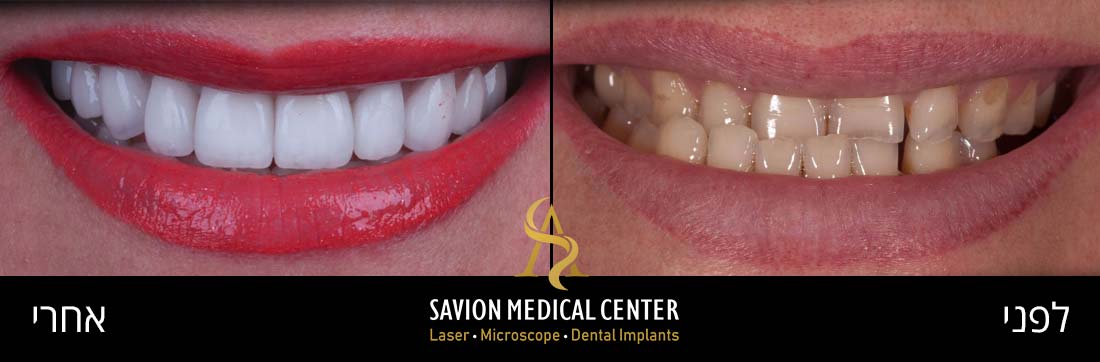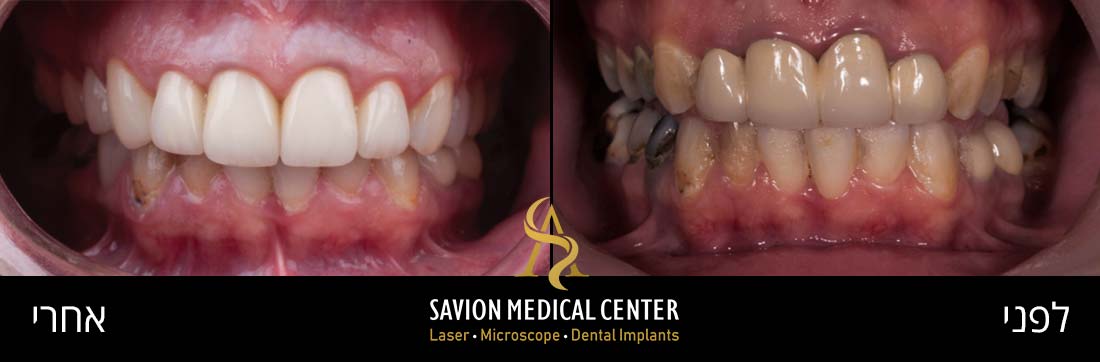





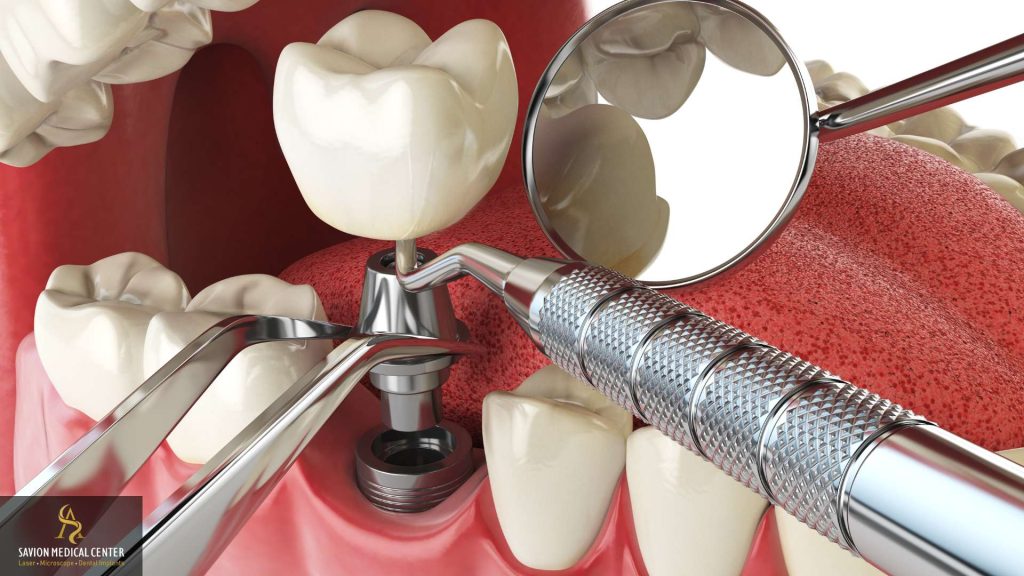
Dental implants represent one of the most effective long term solutions for patients who have lost one or more teeth. Each implant functions as an artificial tooth root, a titanium screw precisely placed into the jawbone, upon which a custom crown is mounted to replicate the look and function of a natural tooth.
When successful, dental implants provide stable, lasting support that allows patients to chew comfortably, smile with confidence, and enjoy a fully natural oral experience. The process begins with a thorough evaluation of the oral cavities and jawbone structure, followed by a personalized implant plan using 3D imaging. The implant is then surgically placed, after which it integrates with the surrounding bone through a process called osseointegration, before the final crown is attached.
While dental implants placed by an experienced specialist carry very high success rates, rejection does occasionally occur. Below, we explain the warning signs of implant rejection, how to identify them early, and what steps to take.
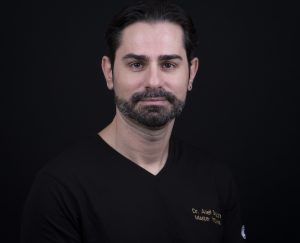
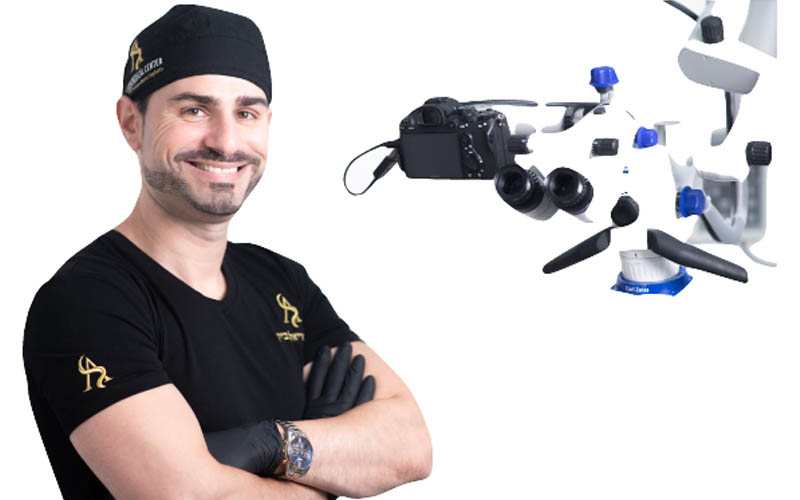
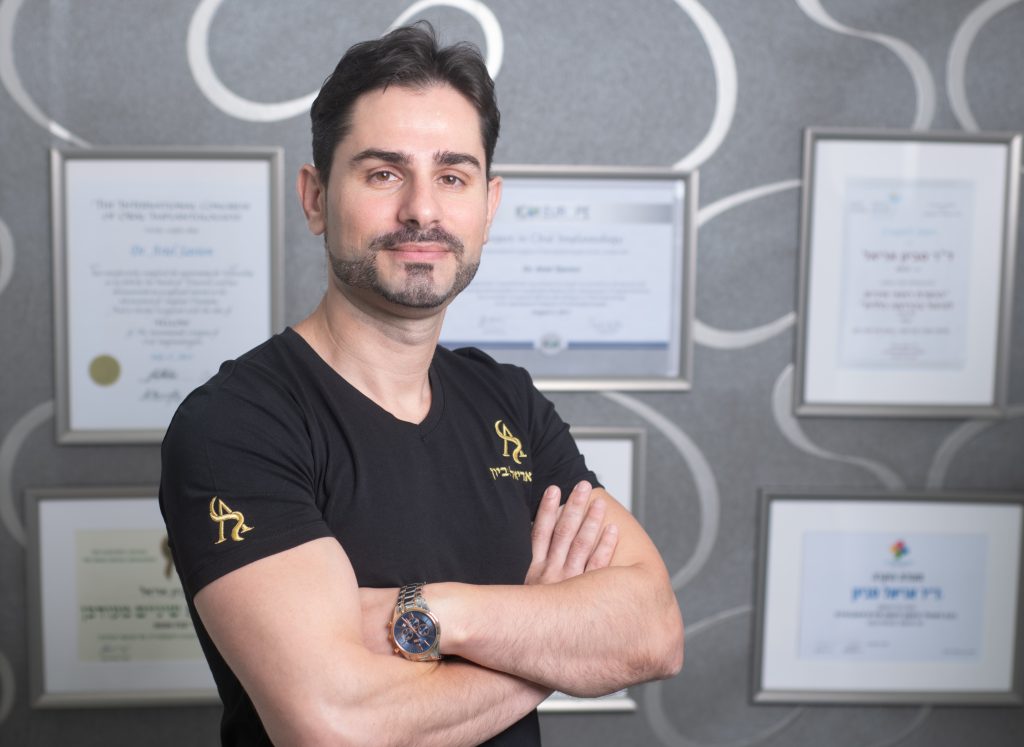
Dr. Ariel Savion has been an active dentist since 2007 and holds a dual Master’s degree from Germany in Laser Sciences and Dental Implantology. He has clinical expertise in laser periodontal therapy, microscopic surgery, and dental implant procedures.
He serves as the Medical Director of the dental corporation Savion Medical Center Ltd. and is the founder and owner of the prestigious master_implant educational club, dedicated to training dentists in advanced fields of dentistry.
In addition, Dr. Savion is the only certified instructor in Israel on behalf of the World Clinical Laser Institute in the field of laser dentistry.
Dr. Savion is an international researcher and lecturer and serves as a Key Opinion Leader (KOL) for leading medical companies in Israel and worldwide, specializing in laser dentistry, periodontology, and dental implantology.
Early Warning Signs of Dental Implant Rejection
Early detection of implant complications can significantly improve treatment outcomes. The following signs warrant prompt attention:
Unusual or persistent pain
Some discomfort following implant surgery is entirely expected. However, intense pain or pain that does not gradually subside may indicate a problem and should be evaluated by your dentist promptly.
Prolonged swelling or inflammation
Temporary swelling is normal after surgery. If redness, swelling, or sensitivity persists or worsens in the weeks following the procedure, this may signal implant rejection or another complication requiring attention.
Implant mobility
A properly integrated implant should feel completely stable. Any sensation of looseness or movement is a clear indicator that something has gone wrong, contact your dentist without delay.
Bleeding or signs of infection
Persistent bleeding, discharge, pus around the implant site, or the onset of fever are potential signs of infection and possible rejection. These symptoms require immediate professional evaluation.
"Over the years, a number of patients have come to me after undergoing implant procedures elsewhere that have not gone well," says Dr. Ariel Savion. "One case I remember clearly involved a patient who presented with discomfort, gum recession, and pain in the implant area some time after her procedure. On examination, we found signs of inflammation, and imaging revealed that the implant used was poorly suited to her jaw anatomy. We were able to restore her oral health by replacing the implant and combining laser therapy with platelet-rich fibrin (PRF) treatment."
Dr. Ariel Savion:
Who Is at Higher Risk for Implant Rejection?
Certain patient groups face a statistically elevated risk of implant failure:
- Smokers – Tobacco impairs blood vessel function, reducing oxygen supply to healing tissue. This slows recovery, increases infection risk, and significantly raises the likelihood of implant failure.
- Patients with a history of gum disease – Pre-existing periodontal disease can compromise the bone and tissue environment needed for successful osseointegration.
- Patients with osteoporosis – Reduced bone density may affect the implant's ability to integrate securely with the jaw.
- Patients with chronic systemic conditions – Conditions such as diabetes can impair healing and immune response, increasing susceptibility to complications.
It is important to note that successful implantation is achievable in many of these cases. However, these factors must be carefully assessed and managed, with heightened attention to infection risk, tissue sensitivity, and jaw bone quality during both planning and follow-up.
What to Do If You Notice Warning Signs
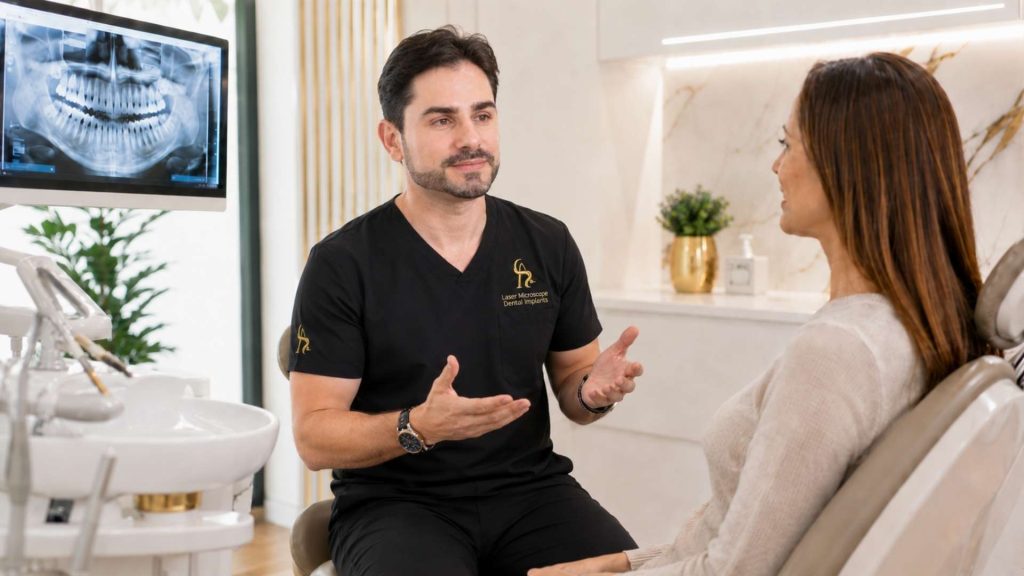
If you experience any symptoms that suggest possible implant rejection, act quickly. The most important step is to contact your dentist immediately, whether you're feeling unusual pain, noticing swelling, or sensing that the implant has become loose. It is always better to seek an evaluation and find nothing wrong than to delay and miss a window for effective intervention.
If your dentist suspects a problem, a diagnostic workup will typically include X-rays or a CT scan, blood tests, and any additional examinations deemed necessary. Once the underlying cause is identified, a targeted treatment plan can be established.
How to Reduce the Risk of Implant Rejection
There are meaningful steps both clinicians and patients can take to minimize the risk of rejection before and after the procedure:
- Choose the right specialist – Select a dentist with demonstrated expertise in implantology, one who conducts thorough pre-surgical assessments using AI-assisted 3D imaging and evaluates the full condition of the jaw, gums, and surrounding tissues. At Dr. Savion's clinic, implants are placed using advanced techniques that integrate laser therapy, precision imaging, and biological agents such as platelet-rich fibrin to support natural healing.
- Follow post operative care instructions carefully – After surgery, gentle but thorough cleaning of the implant area is essential. Your dentist will provide specific guidance on brushing techniques, and whether mouth rinses or antiseptics are appropriate for your case.
- Attend follow-up appointments – If everything is progressing normally, attend all scheduled check-ups. If any unexpected sensitivity, pain, or changes arise, do not wait, contact your dentist right away.
"I always take the time to walk my patients through exactly what to expect after surgery," says Dr. Savion. "Among other things, I advise them to be careful with eating and drinking in the days following the procedure, avoiding hard or tough foods that place excessive stress on the implant site while it heals. Patients who follow their post operative instructions carefully make a real difference in their own outcomes."
Dr. Ariel Savion:
Treatment Options for Implant Rejection
When rejection or peri-implant inflammation is identified, treatment is tailored to the severity and cause of the problem:
Treatment | Description |
Conservative management | Adjustment of antibiotic type or dosage by clinical guidelines, combined with antimicrobial mouth rinses to reduce local irritation and swelling. |
Surgical intervention | In more advanced cases, surgical flap elevation and exposure of the implant site allows for removal of infected tissue, thorough debridement, and decontamination. Significant bone loss may require additional bone grafting. |
Laser therapy | For peri-implant infections ranging from mild to advanced, laser technology can precisely disinfect the site, remove diseased tissue, and eliminate pathogens, all without damaging healthy surrounding tissue. |
In addition to treating the implant itself, our clinic employs advanced platelet-rich fibrin (PRF) therapy, a biological treatment that uses the patient's own concentrated platelets to accelerate tissue regeneration and healing.
"In our clinic, we use advanced laser technology as a core part of our treatment approach for implant complications," explains Dr. Savion. "I have treated numerous patients using a combination of laser therapy and dental microscopy, either saving the existing implant or, when necessary, replacing older implants with newer, more stable ones."
Dr. Ariel Savion:
Why Choose Savion Medical Center
At Savion Medical Center, patients benefit from a fully integrated, technology-driven approach to implant dentistry. Under the leadership of Dr. Ariel Savion, the clinic performs computer-guided implant surgery, uses dental microscopy, incorporates PRF biological therapy, and plans every case with dedicated 3D imaging software.
All bone grafting materials are sourced exclusively from the world's leading laboratories, meeting the highest standards of sterilization and biocompatibility.
Our philosophy is grounded in personalized care, clinical excellence, and the responsible application of laser technology to achieve the best possible outcomes. Patient stories, explanatory content, and procedure videos, including material produced by Dr. Savion himself, are available on our website.