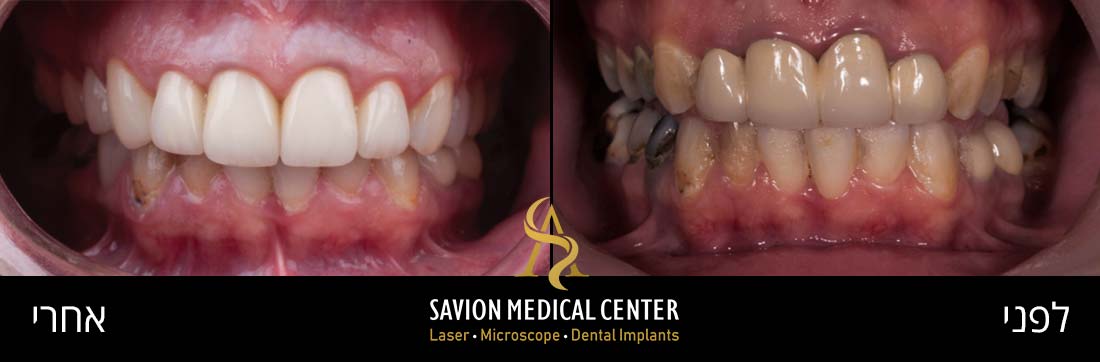








What is a Zirconia Crown?
A zirconia crown represents a premium solution in restorative dentistry. Crafted from zirconium dioxide, a ceramic material with a diamond-like crystalline structure, these crowns combine exceptional strength with natural aesthetics, making them ideal for both anterior (front) and posterior (back) teeth.
Zirconia crowns are used to restore damaged or fractured teeth and to replace missing teeth entirely. The material's translucent properties closely mimic natural tooth enamel, creating a remarkably lifelike appearance. Their growing popularity stems from numerous clinical and aesthetic advantages.
Dr. Ariel Savion has been an active dentist since 2007 and holds a dual Master’s degree from Germany in Laser Sciences and Dental Implantology. He has clinical expertise in laser periodontal therapy, microscopic surgery, and dental implant procedures.
He serves as the Medical Director of the dental corporation Savion Medical Center Ltd. and is the founder and owner of the prestigious master_implant educational club, dedicated to training dentists in advanced fields of dentistry.
In addition, Dr. Savion is the only certified instructor in Israel on behalf of the World Clinical Laser Institute in the field of laser dentistry.
Dr. Savion is an international researcher and lecturer and serves as a Key Opinion Leader (KOL) for leading medical companies in Israel and worldwide, specializing in laser dentistry, periodontology, and dental implantology.

Clinical Advantages of Zirconia Crowns
Zirconia crowns deliver multiple benefits for patients:
- Superior Aesthetics – These crowns replicate natural teeth with exceptional precision. Their semi-translucent properties allow light transmission similar to natural enamel, and they can be customized to match each patient's exact tooth color and shade.
- Exceptional Durability – Zirconia withstands powerful masticatory forces, making it suitable even for posterior teeth where chewing pressure is greatest.
- Stain Resistance – The material resists discoloration far better than alternative options, maintaining its aesthetic appearance over time.
- Biocompatibility – Zirconia is hypoallergenic, making it ideal for patients with metal sensitivities or material allergies.
- Conservative Treatment – Zirconia crowns require minimal removal of natural tooth structure compared to other crown types.
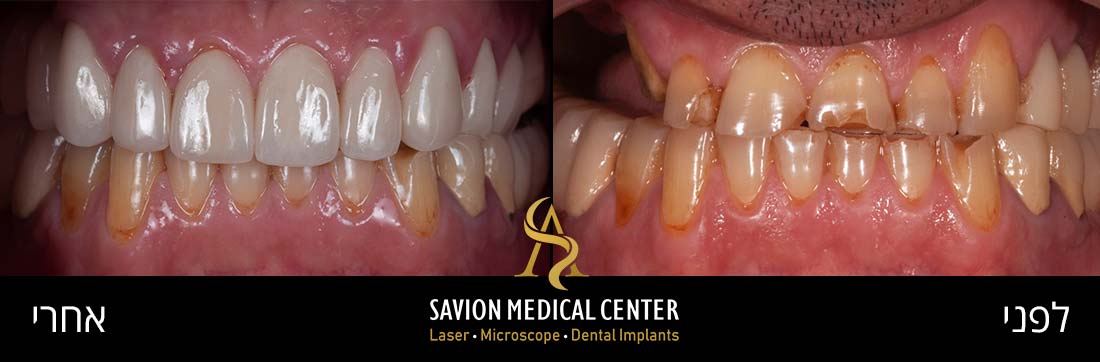
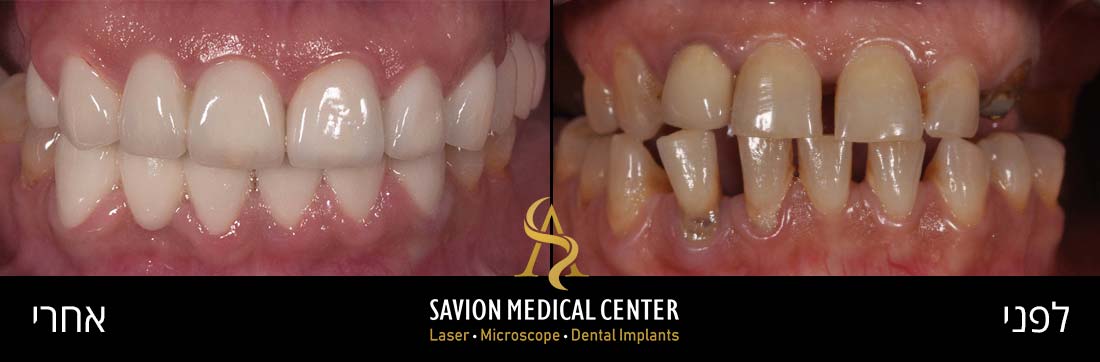
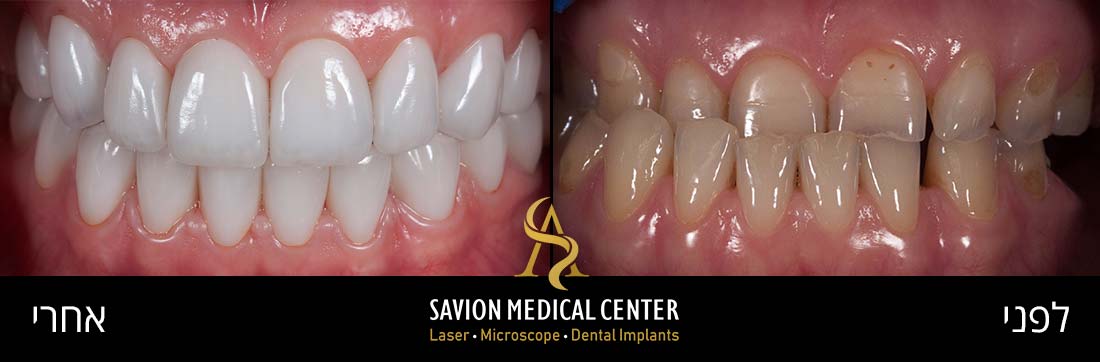
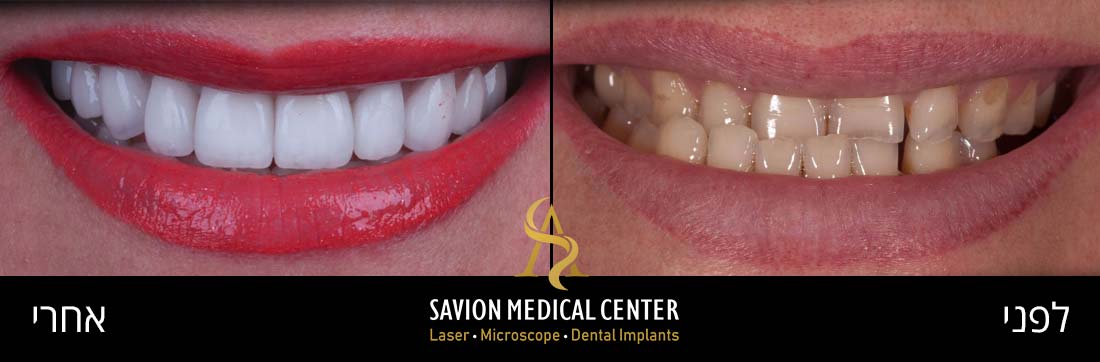
Before and after photos of zirconia crown installation


Zirconia vs. Porcelain Crowns, Which is Superior?
Both porcelain and zirconia crowns offer aesthetic appeal and natural appearance. However, zirconia crowns excel particularly in aesthetic precision.
In terms of durability and strength, zirconia crowns lead significantly. They demonstrate superior resistance to wear and fracture, making them suitable for both anterior and posterior teeth. The primary consideration is cost, zirconia crowns typically command a higher price than traditional porcelain crowns.
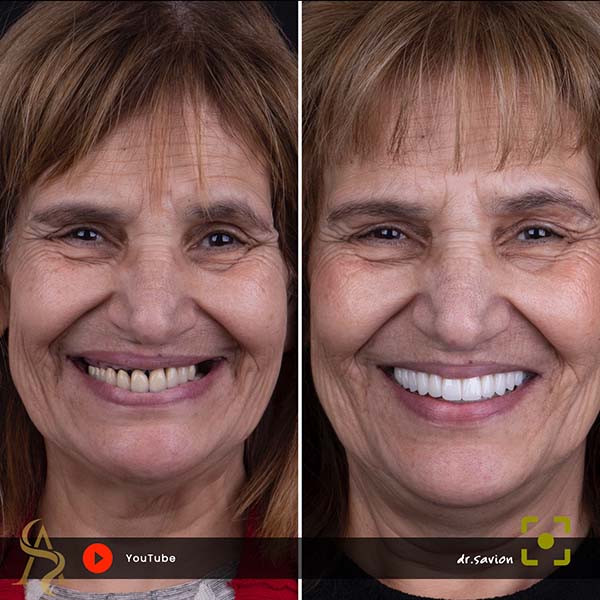
Custom Fitting a Zirconia Crown
The fitting process begins with digital intraoral scanning of the prepared tooth and adjacent dentition. Dr. Savion utilizes advanced intraoral scanners to create highly accurate three-dimensional models, enabling precise pre-treatment planning while accounting for all anatomical features.
Following scanning, computer-aided design (CAD) software enhanced with artificial intelligence assists in planning the crown's precise dimensions and contours. The system considers natural tooth color, tooth morphology, and jaw structure. The crown itself is fabricated using computer-controlled milling machines that shape the zirconia to exact specifications.
"The significant advantage of this approach," explains Dr. Savion, "is our ability to make refined adjustments during the planning phase, modifications that previously could only be made after crown placement. This results in superior patient fit and satisfaction."
Dr. Ariel Savion:
Clinical Indications for Zirconia Crowns
Zirconia crowns are commonly used to restore fractured or damaged teeth, including those affected by extensive decay. They restore tooth form while preserving remaining tooth structure and enhancing appearance simultaneously. These crowns also provide aesthetic improvement for discolored or misshapen teeth.
They are ideal for replacing old crowns that have deteriorated over time and serve in complex restorative treatments, including tooth replacement procedures and protection of endodontically treated teeth.
Zirconia crowns are indicated for:
- Restoration of fractured or worn teeth
- Replacement of aged or damaged crowns
- Aesthetic coverage of discolored or malformedteeth
- Tooth replacement procedures
- Protection following endodontic (root canal) treatment
- Repair of severe tooth wear or fractures
Watch how a zirconia crown and bridge procedure is performed on implants by Dr. Savyon
Alternative Crown Materials
Beyond zirconia crowns, several other options exist:
- Metal Crowns – Known for strength and durability, these are suitable primarily for posterior teeth where masticatory pressure is highest. However, their appearance makes them less desirable for anterior teeth.
- Porcelain Fused to Metal (PFM) Crowns – These combine metal strength with porcelain aesthetics. While relatively common and aesthetic, they don't achieve the natural appearance of zirconia crowns.
- All-Ceramic Crowns – Aesthetically pleasing but less durable than zirconia and potentially less resistant to long-term wear.
- Resin Crowns – The most economical option but also the least durable. Quick to fabricate and place, they are susceptible to damage and staining. Best suited as temporary solutions until permanent crown placement.
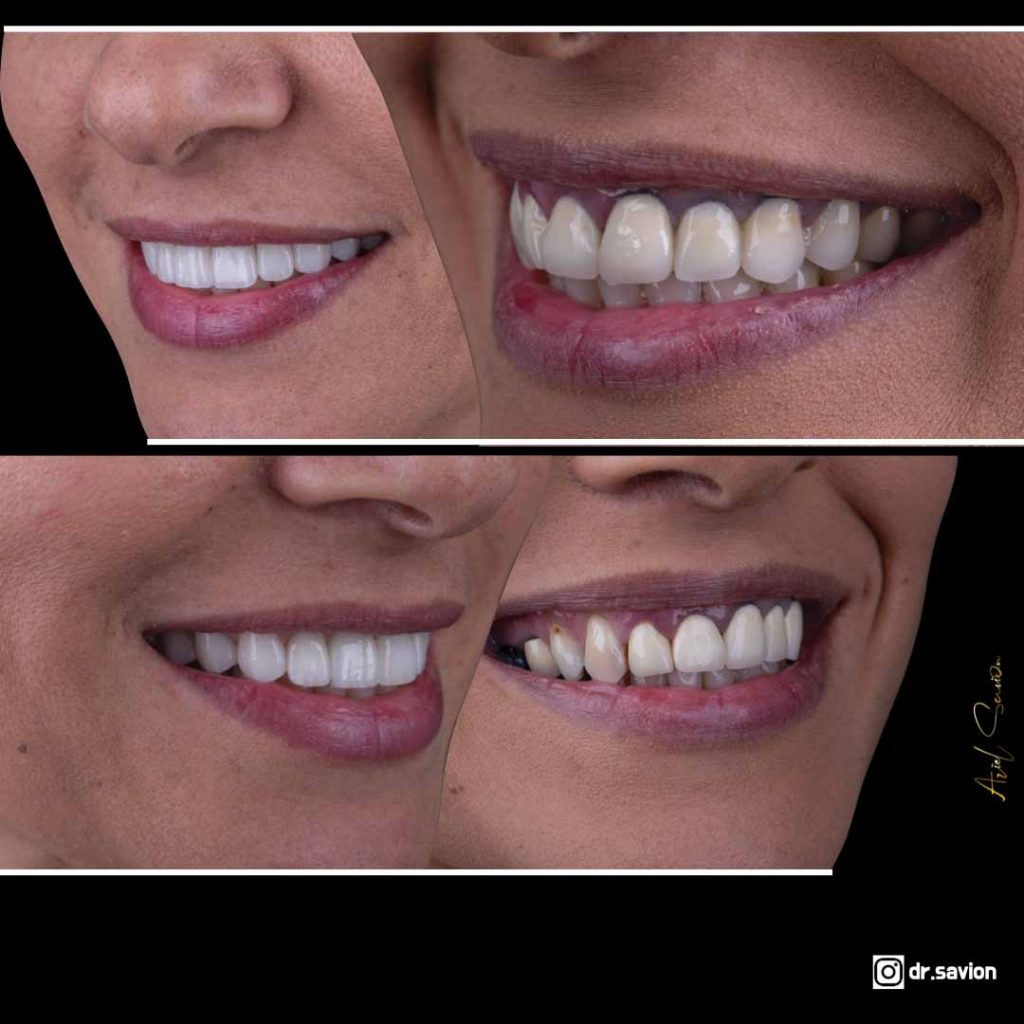
Post Placement Recovery
Recovery following zirconia crown placement is typically swift and comfortable. Most patients experience only mild sensitivity for several days, primarily temperature sensitivity (hot or cold) or slight discomfort during chewing.
We recommend avoiding hard foods or sticky substances immediately after crown placement to allow proper bonding and stabilization. Clean the treated area gently during this period.
Most patients report returning to normal activities within two to three days. However, contact your dentist if you experience unusual pain or discomfort. "The key to faster recovery," emphasizes Dr. Savion, "is maintaining cleanliness and avoiding excessive pressure on the new crown during the initial days."
Dr. Ariel Savion:
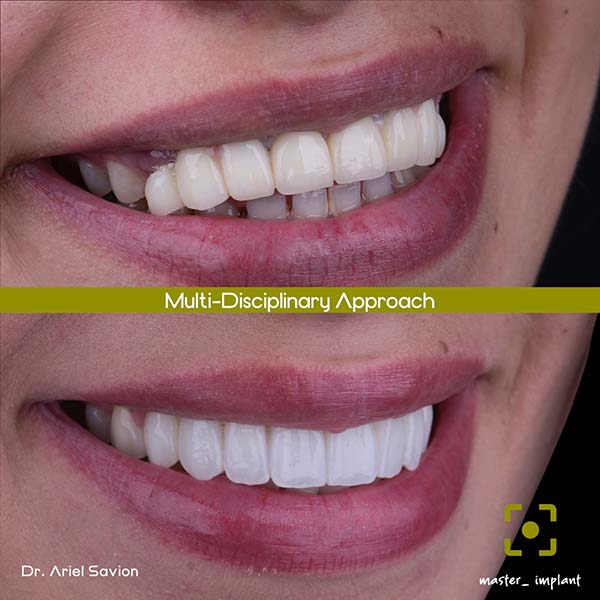
Potential Post Placement Side Effects
While zirconia crown placement typically proceeds successfully, several potential side effects may occur:
- Temporary Sensitivity – Temperature sensitivity usually resolves within days, though occasionally persists for several weeks. Allergic reactions to zirconia are extremely rare; report any unusual or unexpected reactions to your dentist.
- Initial Discomfort – During the first few days, you may experience discomfort while chewing or an unusual sensation as your tongue and cheeks adapt to the new crown structure.
- Crown Discoloration – In rare cases, aesthetic discoloration may appear on the crown, typically resulting from fabrication issues.
Dr. Savion emphasizes: "If a patient notices discoloration on a zirconia crown, it's important to contact the dentist. In most cases, the issue can be resolved relatively easily."
Dr. Ariel Savion:
Potential Complications
Zirconia crowns are highly durable and reliable. However, several complications may occur:
- Crown Fracture - While rare in zirconia crowns given their strength, fractures can result from severe trauma or abnormal pressure, necessitating crown replacement.
- Crown Dislodgement - This may occur if the cement weakens or if crown fit is compromised.
- Loose Crown - A crown that hasn't fallen but feels loose to touch or tongue may indicate weakening cement or changes in tooth structure. Regardless of cause, prompt dental consultation is essential for repair or replacement.
- Occlusion (Bite) Issues - These arise when the crown isn't properly adjusted to the bite, causing discomfort during chewing or, in severe cases, affecting the temporomandibular joint.
Dr. Savion emphasizes: "Proper crown fit is crucial. We employ advanced scanning and fabrication technologies to ensure optimal fit. I advise patients to report any discomfort immediately so we can address it promptly."
Dr. Ariel Savion:
Frequently Asked Questions
I'm interested in a zirconia crown. Is the procedure painful?
Zirconia crown placement typically involves minimal discomfort compared to other common dental procedures. The procedure is performed under local anesthesia. Once the anesthesia wears off, you may experience mild discomfort or sensitivity for several days, this is normal and manageable with standard over-the-counter pain medication. Most patients report the treatment was far less uncomfortable than anticipated.
How long do zirconia crowns last?
Zirconia crowns are known for exceptional longevity. With proper oral hygiene, regular brushing, appropriate chewing habits, and flossing as needed, zirconia crowns can last 15 years or more. However, lifespan cannot be guaranteed with certainty, as it depends on your oral hygiene practices, dietary habits, crown thickness, crown location, and the condition of your bite and adjacent teeth. Posterior crowns exposed to high masticatory forces may not last as long as anterior crowns. Bruxism (teeth grinding) can compromise zirconia crowns over time, just as it wears natural teeth. We recommend regular dental check-ups to monitor crown conditions.
Can zirconia crowns be placed in children?
Zirconia crowns are generally not recommended for children, particularly younger ones. Children's mouths and jaws continue developing through adolescence and often beyond. A zirconia crown may interfere with natural jaw growth and potentially affect tooth positioning. For children, temporary solutions are more appropriate, such as resin crowns or conservative treatments suitable for primary teeth. In exceptional cases such as severe damage to a permanent tooth, zirconia crowns may be considered for older children and adolescents after careful evaluation of all relevant factors.