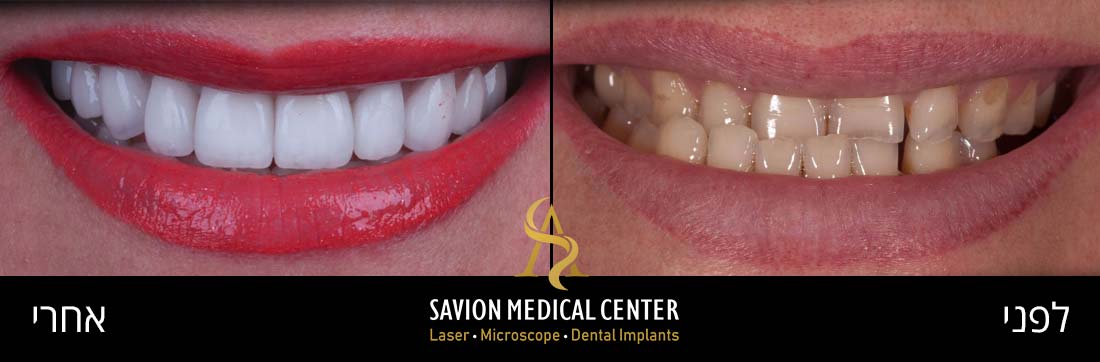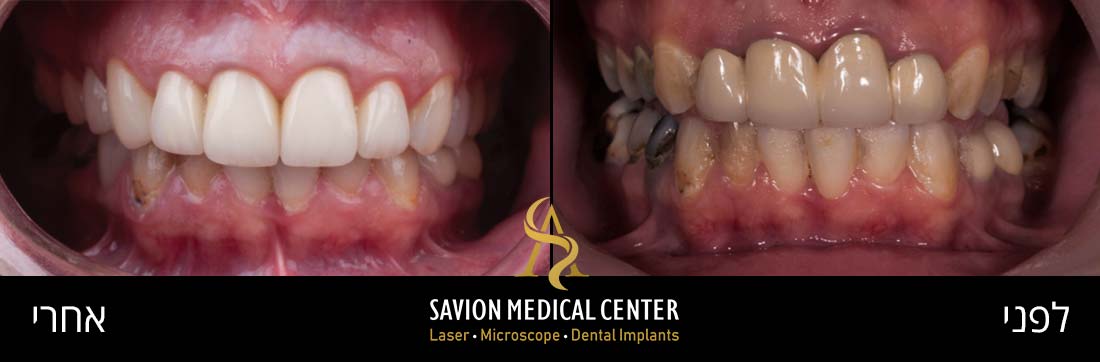






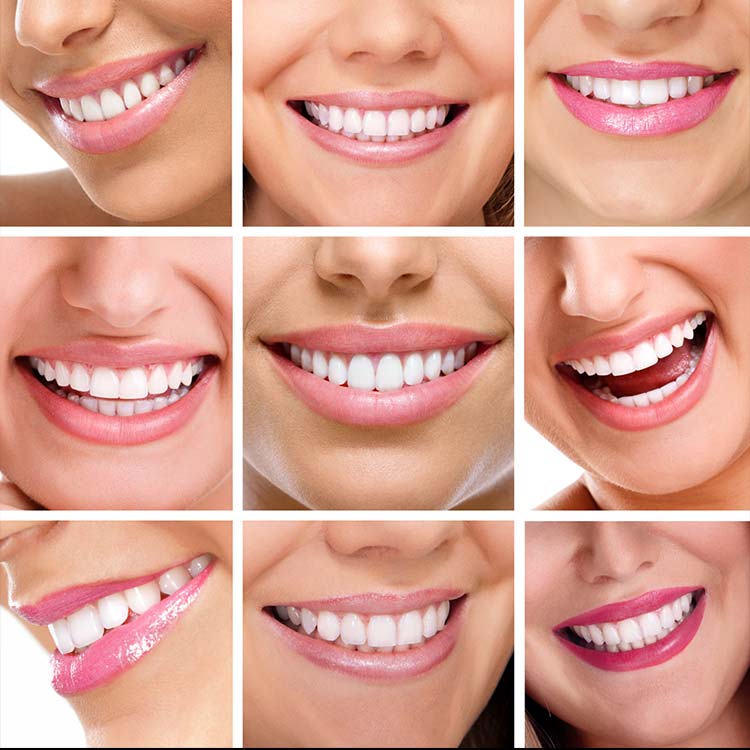
Many patients feel self conscious about smiling, whether from embarrassment, anxiety, or simply a lack of confidence stemming from an unaesthetic smile. Dentistry has undergone a profound transformation in recent years, with the integration of the dental microscope standing as one of its most significant advances.
The fusion of microscope technology, digital imaging, and smile design has made the entire process more precise and predictable, delivering exceptional aesthetics, high patient satisfaction, and a meaningful improvement in confidence and quality of life.
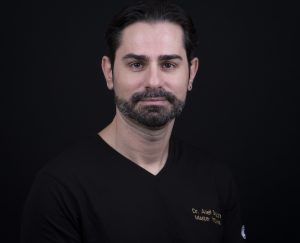
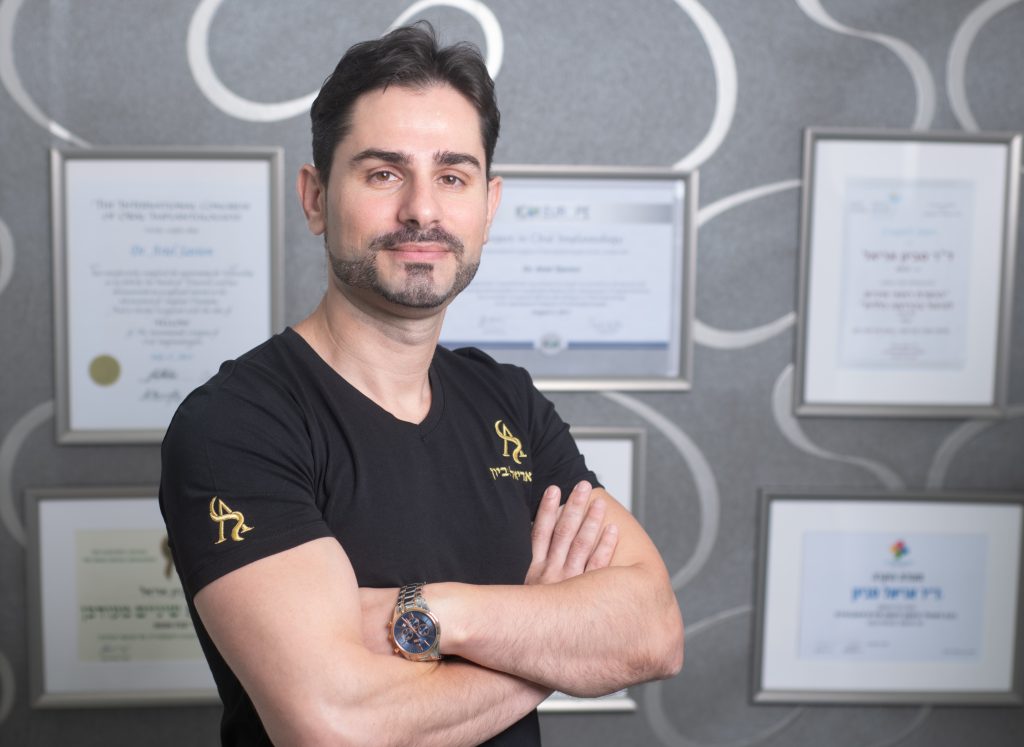
Dr. Ariel Savyon defines himself as a smile designer, turning a dream into reality, responsibly. Porcelain veneer preparations are performed under a therapeutic microscope using the minimal invasive preparation concept, with tooth reduction ranging from just 0.3 to 1 mm.
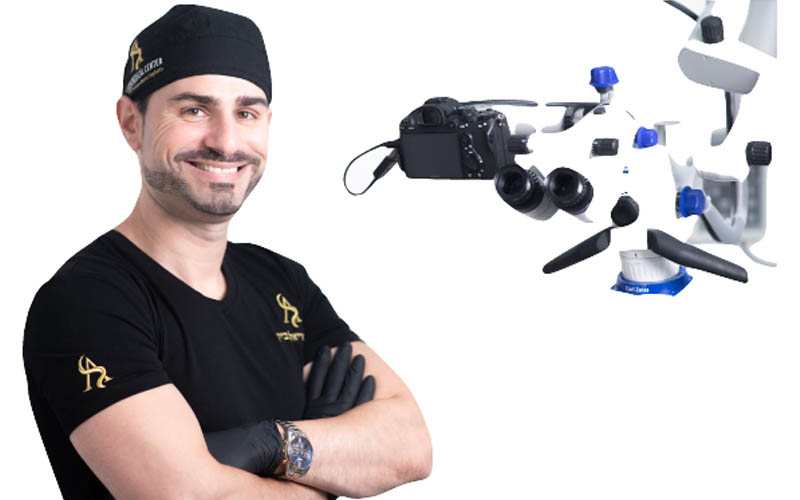
Dr. Ariel Savion has been an active dentist since 2007 and holds a dual Master’s degree from Germany in Laser Sciences and Dental Implantology. He has clinical expertise in laser periodontal therapy, microscopic surgery, and dental implant procedures.
He serves as the Medical Director of the dental corporation Savion Medical Center Ltd. and is the founder and owner of the prestigious master_implant educational club, dedicated to training dentists in advanced fields of dentistry.
In addition, Dr. Savion is the only certified instructor in Israel on behalf of the World Clinical Laser Institute in the field of laser dentistry.
Dr. Savion is an international researcher and lecturer and serves as a Key Opinion Leader (KOL) for leading medical companies in Israel and worldwide, specializing in laser dentistry, periodontology, and dental implantology.
What Is Smile Design?
Smile design is a comprehensive, personalized approach to achieving an ideal smile through a combination of dental treatments and aesthetic techniques, tailored specifically to the individual patient.
Unlike conventional dental treatments that typically address a single issue (such as a filling, root canal, or whitening), smile design takes a holistic view of the entire smile. It may include:
- Digital visualization shows the difference between the current smile and the anticipated final result.
- Teeth whitening using traditional or advanced methods, including laser technology.
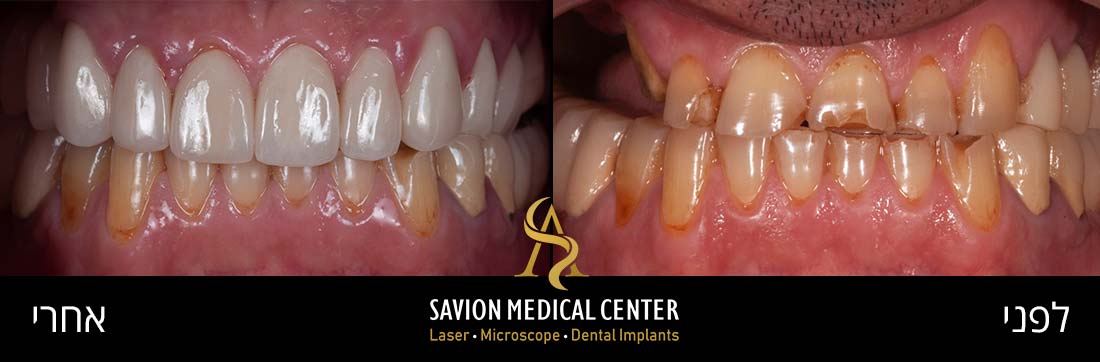
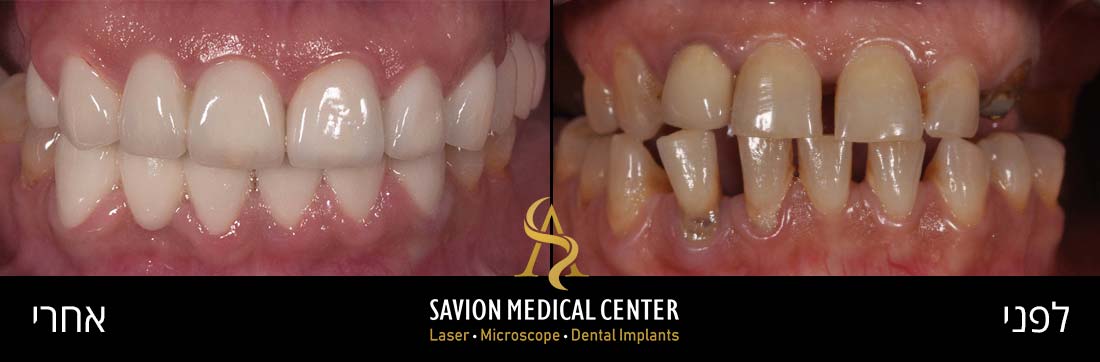
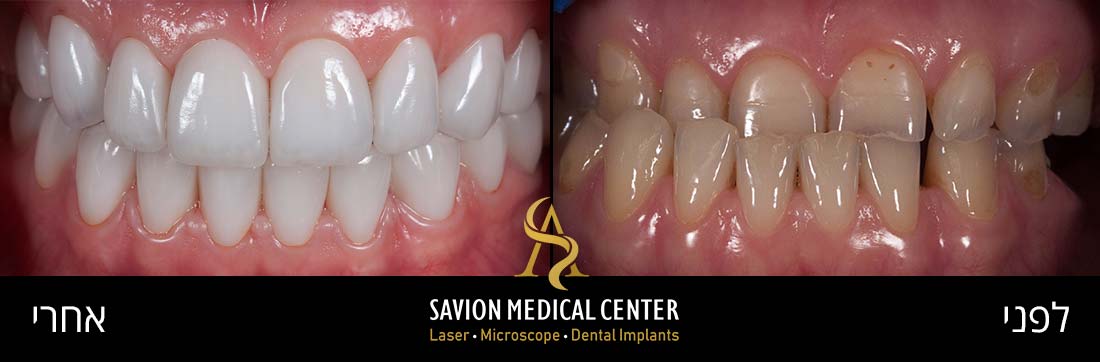
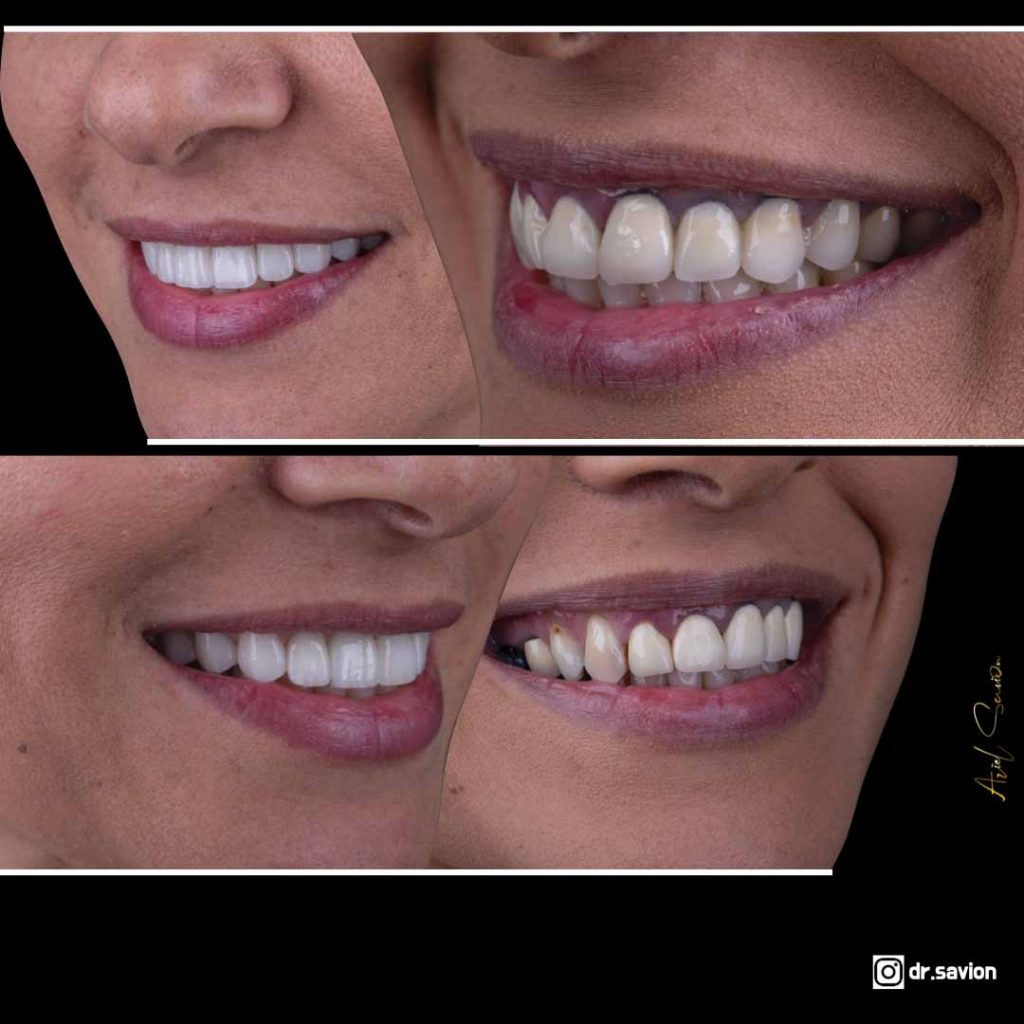
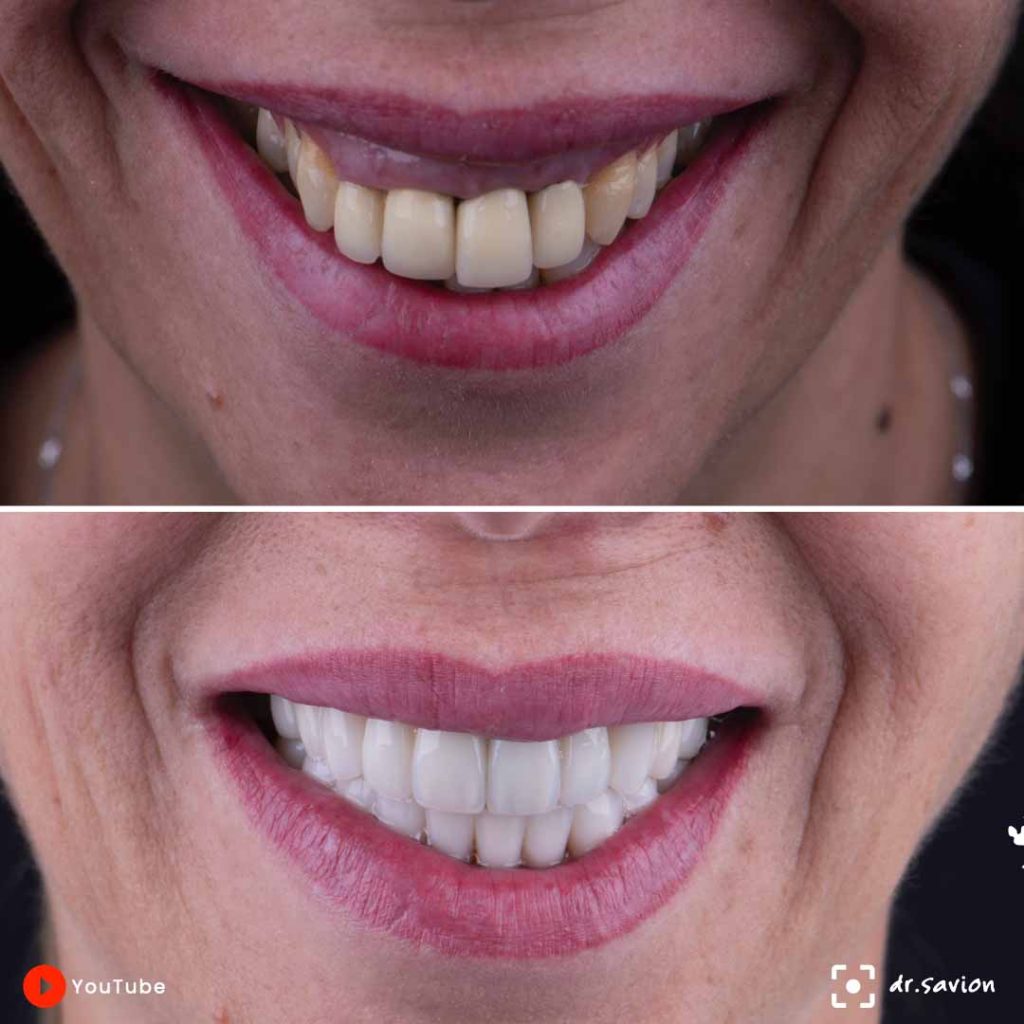
- Porcelain veneers to cover cracked, chipped, or uneven teeth while preserving healthy tooth structure.
- Gum treatments, including aesthetic recontouring and gingival plastic surgery to reshape the gum line.
- Crowns, implants, or orthodontic alignment when clinically indicated, to achieve a harmonious, natural-looking result.
How Does Digital Smile Design Work?
To achieve outstanding, high- quality results, smile design is combined with an advanced digital imaging workflow:
- Personal consultation – Understanding the patient's needs, goals, and aesthetic expectations.
- High resolution photography and data collection – Capturing the teeth and smile from all relevant angles; 3D scanning technology is integrated when indicated.
- Digital modeling – Using advanced software to generate a detailed, high-fidelity virtual model of the teeth and gums.
- Treatment planning – Based on the digital model, a comprehensive aesthetic treatment plan is designed. Patients can see a clear before-and-after preview, visualizing the expected outcome prior to any intervention.
- Collaborative refinement – Adjustments and modifications can be made to the digital design together with the patient before treatment begins.
- Fabrication templates – Precise dental templates may be created from the design to guide treatment and ensure accurate results.
SMILE DESIGN WITH DENTAL VENEERS:
The Microscope Assisted Minimal Invasive Technique vs. Conventional Veneer Preparation
The use of a therapeutic dental microscope in veneer preparation offers significant advantages over conventional methods:
- Maximum tooth preservation – Reduction is limited strictly to what is necessary for the smile design, typically 0.3–1 mm.
- Full precision and control – LED illuminated magnification allows complete oversight during preparation, preventing over-reduction.
- Superior margin accuracy – Precise preparation margins ensure optimal bonding and long-term veneer survival.
- Micro-instrumentation – Preparations are performed with micro-burs as narrow as 0.3 mm for unmatched precision.
- No postoperative sensitivity or pain – Patients typically experience no discomfort following microscope guided preparation and bonding.
- Gum health preservation – Microscopic preparation minimizes the risk of gingival inflammation or recession, maintaining long term aesthetics.
- Rubber dam isolation during bonding – Veneers are bonded under microscope with rubber dam isolation, eliminating marginal leakage and preventing future decay.
- High long term success rates – Precision in both preparation and bonding dramatically reduces the risk of veneer debonding or fracture.
- Cost savings – Minimal invasive preparation eliminates the need for root canal treatment or full crowns in the vast majority of cases.
- Full shade control – Bonding is performed in a controlled manner, ensuring consistent, predictable color outcomes.
- Bright, polished porcelain surfaces – Delivering a natural, luminous appearance.
- Shade correction – Effective for patients with congenitally discolored teeth (orange or gray hues).
Alternatives to Porcelain Veneers
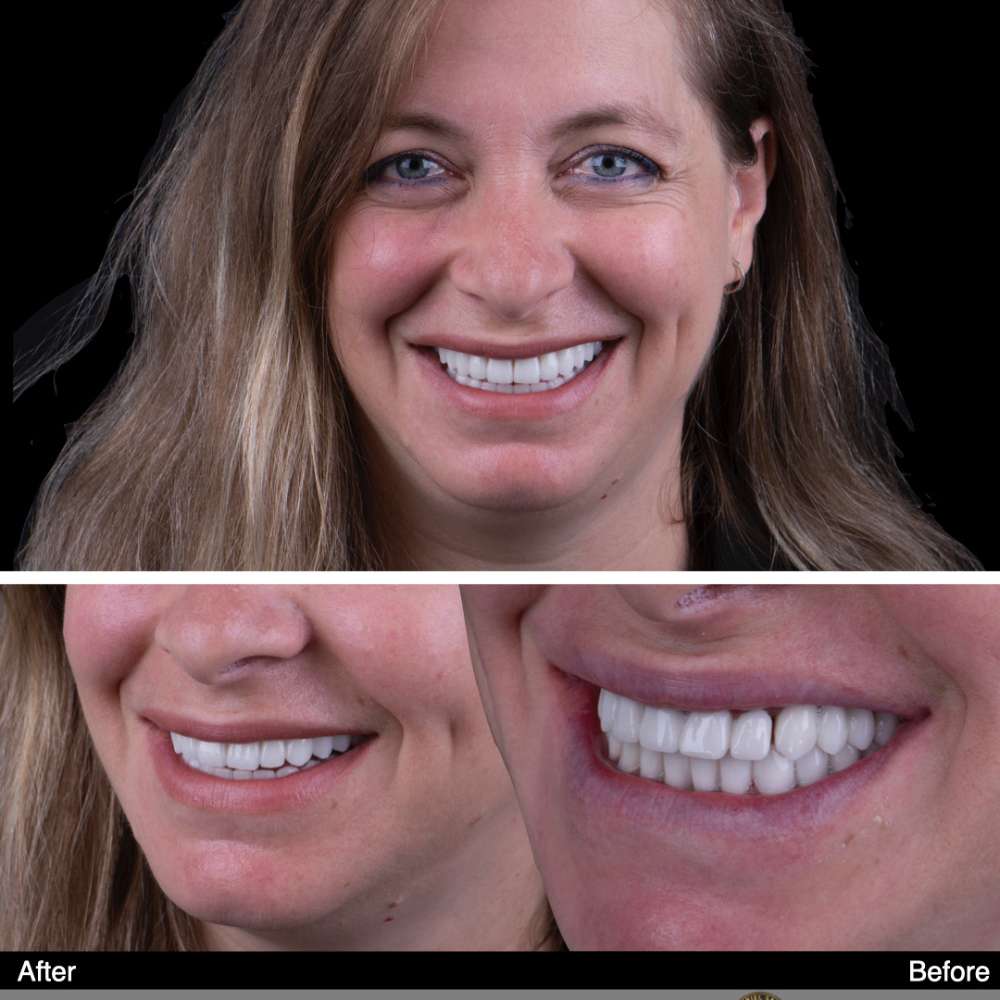
While porcelain veneers are a widely favored smile design solution, there are clinically sound alternatives worth considering:
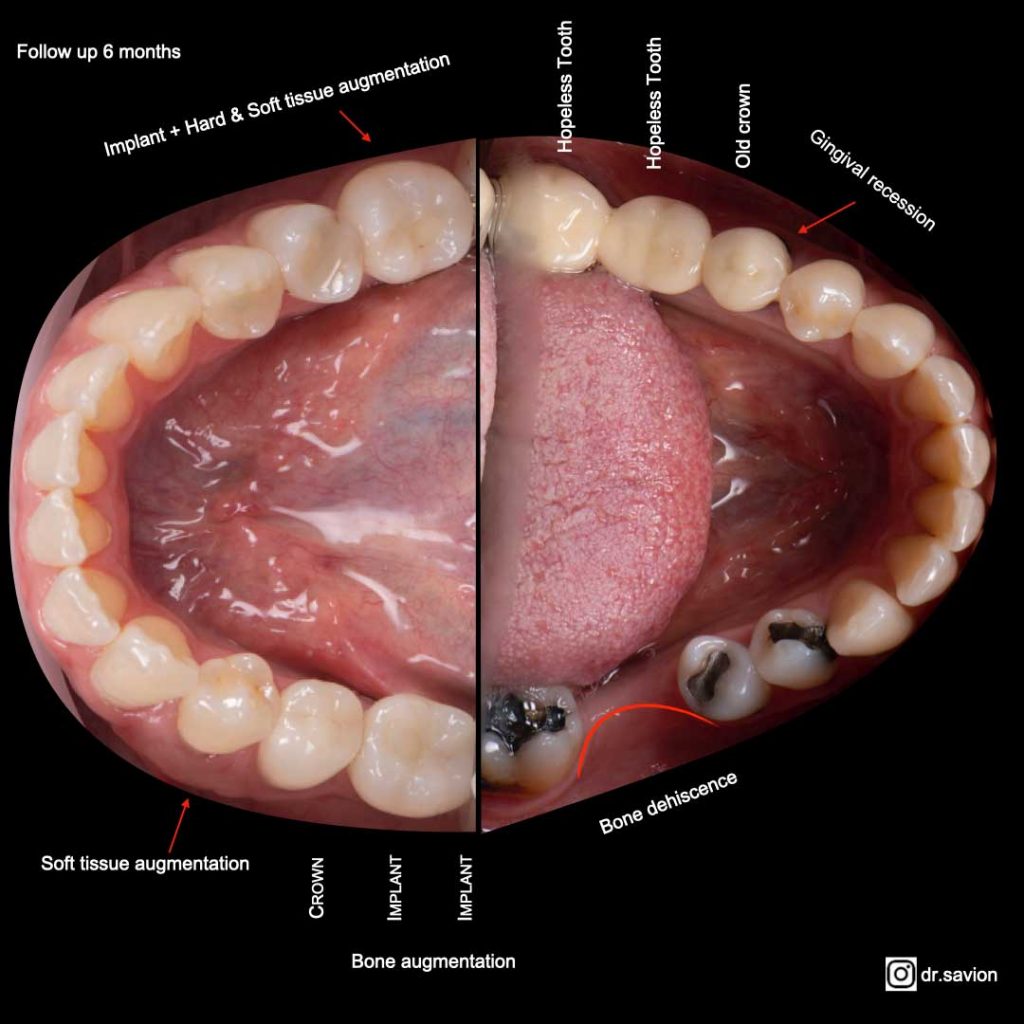
- Dental implants – The preferred solution following tooth extraction or tooth loss due to age or trauma. Implants restore near natural chewing function, provide a natural appearance, and eliminate the need for removable dentures. They are among the most durable long term solutions in dentistry and help preserve bone volume and jaw structure. While the upfront investment is significant, the long-term cost-benefit ratio is highly favorable.
- Orthodontic treatment – Various tooth alignment options exist, including traditional brackets and clear aligner systems. Treatment duration typically ranges from six months to three years. Results are natural looking and beautiful, though nighttime retainers are usually required to maintain the outcome.
- Composite bonding – A more affordable alternative to porcelain veneers, offering good aesthetics with a shorter and less invasive procedure. However, composite restorations are generally less durable and may appear less natural compared to porcelain veneers or implants.
Technology at Dr. Savyon's Clinic
Dr. Savyon's clinic is equipped with a comprehensive suite of advanced technologies, enabling precise diagnostics, minimally invasive procedures, and superior aesthetic outcomes:
- In clinic CT scanning – High resolution, detailed imaging of tooth and jaw anatomy for accurate diagnosis and optimal treatment planning, without leaving the clinic.
- Digital intraoral scanning - Eliminates the need for traditional impression materials, offering a far more comfortable patient experience.
- Digital shade matching - Ensures highly accurate, natural-looking color matching that integrates seamlessly with existing teeth.
- Therapeutic microscope - Enhances precision, enables minimally invasive procedures, and supports faster recovery with fewer complications.
- Advanced smile design software - Industry-leading software enables fully personalized smile design, with digital previews available before treatment begins.
- Laser technology - Used for both soft tissue (gum) and hard tissue (tooth) procedures. Laser reduces bleeding, swelling, and discomfort while accelerating healing.
- High resolution intraoral camera - Provides real-time data for superior treatment quality and enhanced patient communication.
- In house 3D milling and printing - Enables fabrication of zirconia and porcelain crowns with reduced waiting times and exceptional fit.
- Collaboration with world leading dental laboratories - Ensuring restorations of the highest aesthetic and functional standard.
- Long-term quality control and follow up - Systematic monitoring to sustain high success rates and patient satisfaction.
Dr. Savyon's Clinical Tips
- Collaboration with a master dental technician who specializes in aesthetic dentistry and porcelain veneer fabrication is essential for achieving maximum aesthetic results.
- Always request a digital simulation or diagnostic wax-up before beginning treatment, this visualization step ensures alignment between patient expectations and the planned outcome.